TRAINING NOTES / FIELD GUIDE
Beginner Pilates Moves: Why This Core-Strengthening Workout Is Everywhere
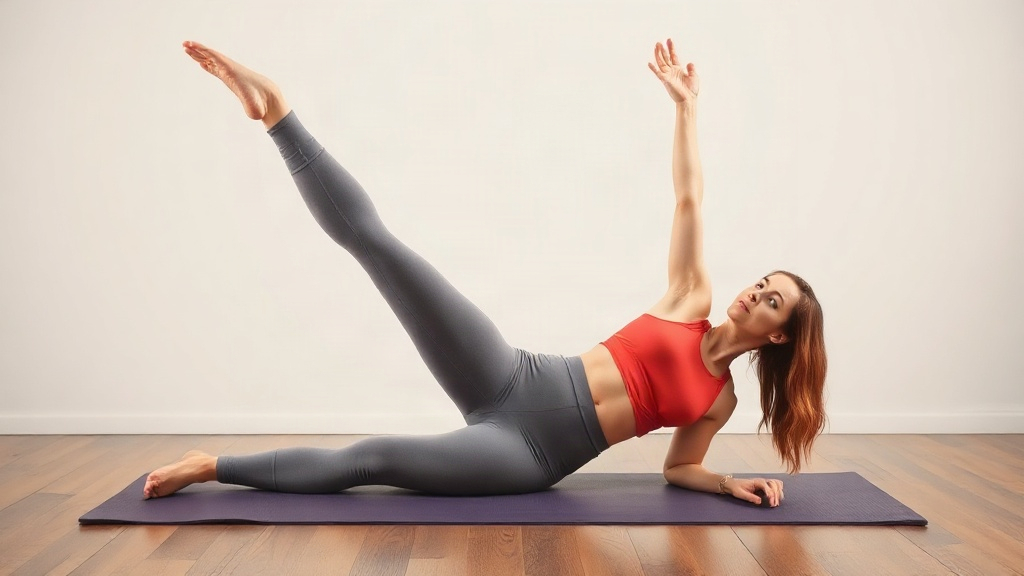
Pilates has moved well beyond the boutique studio. It now shows up in morning television segments, community classes, and even punchlines in campus theater. A recent local news segment featured beginner-friendly pilates moves with instructor Diana DeJesus, and a new student-written musical drew laughs with the line "I can't die today, I have pilates at 2!" When a workout becomes shorthand for a person's most protected appointment, it has earned a place in everyday culture.
Why Pilates Keeps Growing in Popularity
Pilates appeals to people who want to feel stronger without feeling beaten up. The method emphasizes controlled movement, deep core engagement, and mindful breathing, which makes it easier on the joints than many high-impact workouts. That is a big reason it attracts everyone from desk workers with stiff backs to runners, lifters, and older adults who want to stay mobile.
It also fits busy schedules. A focused 20-minute mat session at home can build strength and improve posture, and no special equipment is required. Studio classes using reformers, towers, and chairs add resistance and variety for those who want more of a challenge.
The Core Principles Worth Knowing
Pilates is built on a handful of ideas that make every exercise more effective:
- Breath: Inhaling and exhaling with intention helps engage the deep abdominal muscles and keeps movement fluid. - Centering: Movement starts from the powerhouse, meaning the abdominals, hips, glutes, and lower back. - Control: Slow, deliberate repetitions beat speed every time. - Precision: Small adjustments in alignment change which muscles do the work. - Flow: Smooth transitions keep the body engaged and the mind focused.
Beginner-Friendly Moves to Try
New students do best with a short list of foundational exercises. These are commonly taught in introductory classes and can be done on a mat.
Pelvic curl. Lying on your back with knees bent, press through your feet and peel your spine off the floor one vertebra at a time. It wakes up the glutes and hamstrings while teaching spinal articulation.
The hundred (modified). Keep your knees bent in a tabletop position and pump your arms in small, steady beats while breathing in for five counts and out for five. It builds endurance in the core and sets the tone for the rest of a session.
Single-leg stretch. Alternate drawing one knee toward your chest while the other extends. Keep your pelvis stable and your abdominals engaged.
Cat-cow. Moving between a rounded and arched spine on hands and knees warms up the back and builds awareness of spinal movement.
Bird dog. Extending the opposite arm and leg while keeping the hips level challenges balance and strengthens the muscles that support the spine.
Side-lying leg lifts. These target the outer hips and help improve stability in everyday movements like walking and climbing stairs.
Tips for Getting Started
Start with fewer repetitions and focus on quality. Five well-controlled reps are worth more than fifteen sloppy ones. If a move bothers your neck or lower back, keep your head down or reduce the range of motion, and ask an instructor for modifications.
Consistency matters more than intensity. Two or three short sessions a week often produce noticeable changes in posture, core strength, and flexibility within a few weeks. Pairing pilates with walking, strength training, or cycling creates a well-rounded routine.
If you're new, try a beginner class or a trusted instructor-led video before moving on to advanced flows. Good cueing helps you learn the fundamentals, which is where most of the benefit comes from. People with injuries, pregnancy, or chronic conditions should check with a healthcare provider before starting.
A Practice That Fits Real Life
The appeal of pilates is that it meets people where they are. It can be gentle or demanding, quiet or social, done in a studio or on a bedroom floor. As more people look for sustainable ways to stay strong, mobile, and calm, it's easy to see why a standing pilates appointment has become something people guard so fiercely.