Yoga continues to be one of the most accessible and effective ways to build strength, increase flexibility, and calm the nervous system. Whether practiced on a dedicated mat, in a studio, or during a quick break at work, a consistent yoga routine can enhance physical performance, reduce stress, and improve sleep quality.
Core benefits to expect
– Improved mobility and strength: Many postures require full-body engagement, which tones muscles and increases joint range of motion.
– Better balance and posture: Standing poses and core work translate to steadier balance and less strain during daily activities.
– Stress reduction and clarity: Coordinating breath with movement activates the parasympathetic nervous system, helping to lower perceived stress and sharpen focus.
– Enhanced recovery: Slower styles of practice help reduce muscle tension and support nervous-system recovery after intense activity.
Easy-to-follow breathing basics
Breath is the foundation. Start with a simple diaphragmatic breath: inhale slowly through the nose, allowing the belly to expand; exhale smoothly through the nose, drawing the navel toward the spine. Try 4–6 balanced breath cycles per posture to anchor the mind and deepen the stretch. For an energizing start, extend the inhale slightly longer than the exhale; for relaxation, lengthen the exhale.
Styles that fit different needs
– Hatha: Steady pace, great for beginners and alignment focus.
– Vinyasa: Flow-based sequences linking breath and movement; more aerobic.
– Yin & Restorative: Long-held, supported poses ideal for deep stretching and nervous-system restoration.
– Ashtanga/Kundalini: More structured, intense practices for discipline and endurance.
A short morning sequence to wake the body (5–10 minutes)
Perform each pose for 5–8 breaths:
1.
Cat-Cow (spinal mobility)
2.
Downward-Facing Dog (hamstrings, shoulders)
3. Low Lunge (hip flexors)
4. Warrior II (leg strength and balance)
5.
Standing Forward Fold (calm the mind, hamstrings)
Evening wind-down (10 minutes)
– Child’s Pose with a bolster under the chest (3–5 minutes)
– Legs-Up-The-Wall (5–10 minutes) for circulation and relaxation
– Supine Twist (2–3 minutes each side)
– Savasana with a light blanket (5 minutes) to integrate the practice
Common beginner mistakes and how to avoid them
– Rushing the breath: Keep movement paced by your inhale and exhale rather than forcing faster transitions.
– Overstraining for depth: Move toward sensations of openness, not sharp pain.
Use blocks, straps, and blankets to bridge gaps.
– Comparing progress: Yoga is highly individual. Focus on consistency and sustainable improvements.
– Skipping the warm-up: Quick joint mobility or a few rounds of Cat-Cow prepares connective tissue for deeper work.
Practical tips for consistency
– Aim for short, regular sessions—10–20 minutes most days rather than sporadic long classes.
– Set up a dedicated space with a mat, one or two blocks, a strap, and a folded blanket as needed.
– Consider hybrid learning: an instructor for alignment-focused sessions and online classes for convenience.
Safety and modifications
Listen to the body. If you have injuries, chronic conditions, or are pregnant, consult a healthcare provider and seek modifications from an experienced instructor.
Use props liberally and prioritize alignment over intensity.
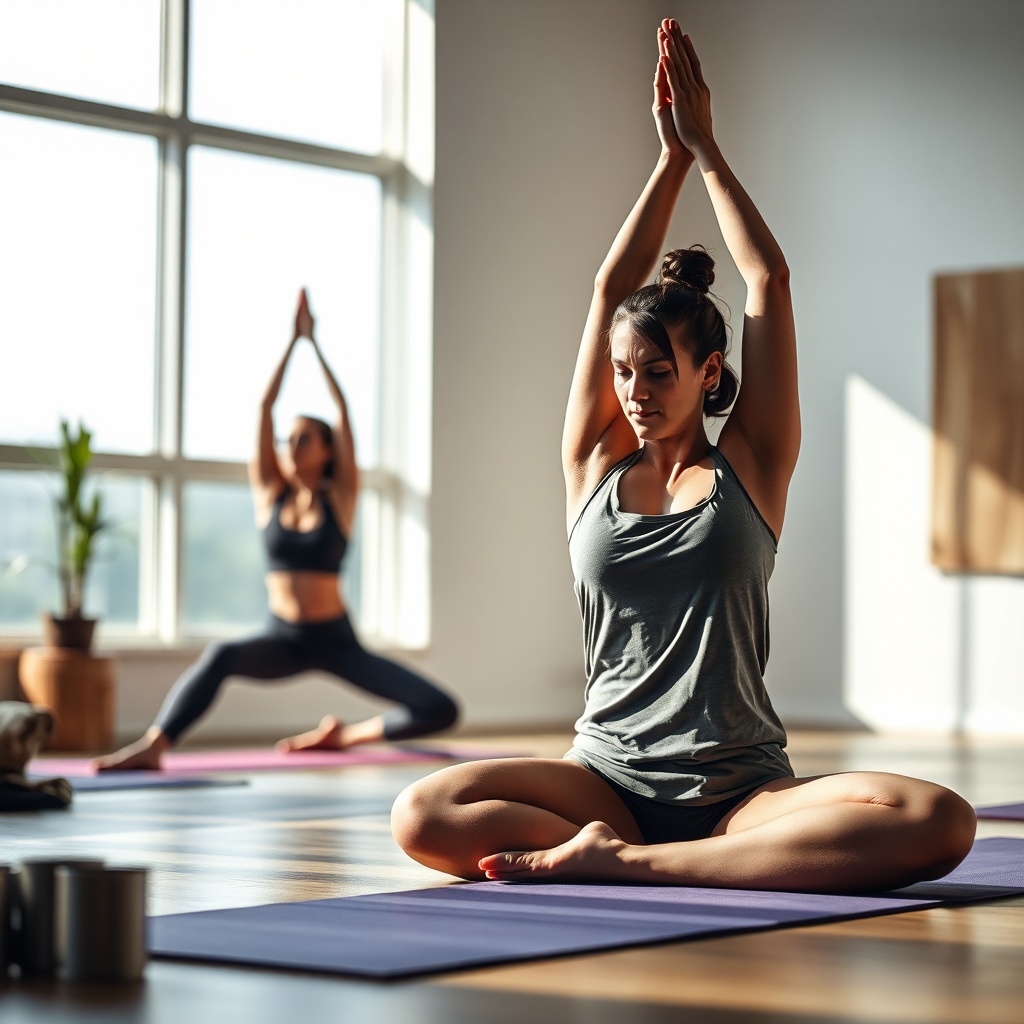
A sustainable yoga practice is built from simple daily choices: consistent breath, mindful movement, and compassionate patience.
Start small, stay curious, and let the practice become a reliable tool for strength, balance, and calm.