Choosing the Right Fitness Gear for Home and Gym: Practical Tips
Picking the right fitness gear can make workouts safer, more effective, and more enjoyable. Whether you train at home or head to a commercial gym, selecting gear that matches your goals, body, and space helps you stay consistent and get better results.
Start with your goals
Before buying anything, clarify your primary goals: strength, endurance, mobility, weight loss, or sport-specific training. Gear that supports weightlifting (sturdy shoes, barbell, adjustable dumbbells) is different from what you need for yoga or running (grippy mat, flexible apparel, supportive running shoes).
Align purchases to the workouts you’ll actually do to avoid clutter and wasted money.
Essential gear categories
– Footwear: Shoes are the foundation of many workouts. Running shoes prioritize cushioning and forward motion; cross-trainers offer lateral support for classes and circuits; flat-soled shoes are better for heavy lifting. Try shoes at the end of a workout when feet are slightly swollen, and test for comfort, stability, and correct sizing.
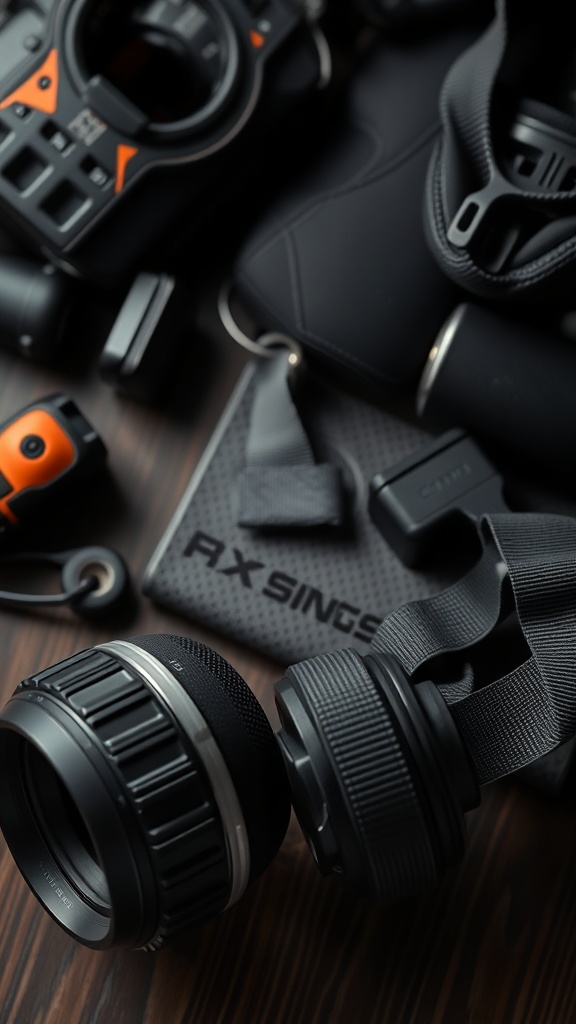
– Wearable tech: Heart rate monitors and smartwatches help track intensity and recovery. Look for long battery life, accurate heart-rate sensors, and features that match your routine—GPS for outdoor runs, interval timers for HIIT, or guided workouts for strength sessions.
– Strength tools: Adjustable dumbbells, kettlebells, and resistance bands offer scalable resistance for most home routines.
Adjustable options save space and can reduce long-term cost.
Choose bands with clear resistance labeling and durable construction to avoid snapping.
– Mobility and recovery: Foam rollers, massage balls, and percussion devices aid recovery and mobility. Lightweight, portable tools can prevent soreness and improve performance when used regularly.
– Mats and flooring: A high-density mat protects joints for floor work and keeps equipment from damaging surfaces. For heavy lifting, consider interlocking rubber tiles to isolate impact and reduce noise.
Fit, materials, and durability
Quality materials extend the lifespan of gear. Look for breathable, sweat-wicking fabrics in apparel and non-slip, tear-resistant materials in mats and bands.
Check stitching and fasteners on weight belts, straps, and apparel.
Durable construction reduces replacements and improves safety over time.
Sustainability and ethical choices
Many brands now offer recycled materials, transparent supply chains, and repairable or recyclable gear. Sustainable options typically last longer and minimize environmental impact. Prioritize durable pieces over fast-fashion or disposable items.
Maintenance and safety
Follow care instructions to maintain performance: wash apparel as recommended, wipe down electronics carefully, and inspect bands and ropes for fraying. Replace worn or damaged gear—especially bands and lifting straps—to avoid injury. For heavy lifting, use equipment rated for the loads you plan to lift and invest in a stable bench or rack if needed.
Budget and space considerations
Set a realistic budget and prioritize essentials based on available space.
A compact home setup might include adjustable dumbbells, a kettlebell, resistance bands, and a mat. If space allows, add a barbell set or a folding squat rack. Buying versatile items and avoiding single-use gadgets delivers the best value.
Buying tips
Try in-store when possible for fit and comfort; read reviews for durability and customer service; look for warranties on electronics and high-cost equipment. Consider secondhand options for large items like benches or racks—many people sell lightly used gear when upgrading.
Smart choices reduce injury risk, improve progress, and make training more sustainable. Focus on fit, quality, and functionality, and build a collection that matches how you move and where you train.