Want more fitness results with less time? Smartly combining strength training and targeted cardio delivers efficient fat loss, better conditioning, and stronger movement patterns — without spending hours in the gym. This approach suits busy schedules and supports long-term progress when paired with recovery and purposeful nutrition.
Why combine strength and cardio
– Strength training preserves and builds muscle, which supports metabolism and joint health.
– Cardio improves cardiovascular fitness and calorie burn; interval formats deliver big benefits in small doses.
– Alternating or blending both prevents plateaus and reduces injury risk by balancing load and movement variety.
How to structure efficient sessions
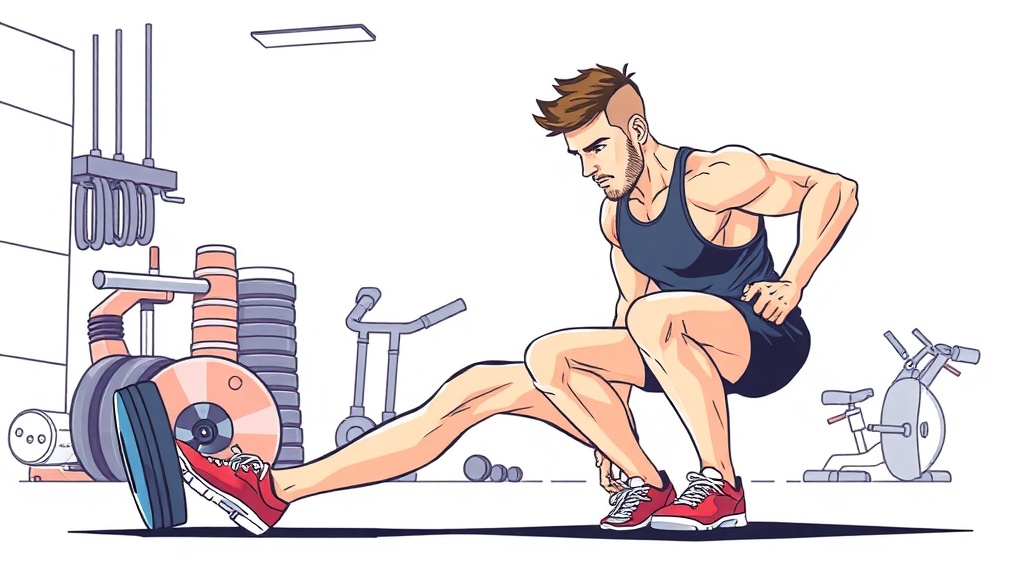
1. Warm-up (5–8 minutes): dynamic mobility, light cardio, and movement-specific drills to prime joints and the nervous system.
2.
Strength block (20–30 minutes): focus on compound lifts—squats, deadlifts, lunges, push presses, rows—3–5 sets, 4–12 reps depending on goals. Use progressive overload: add weight, reps, or reduce rest over time.
3. Conditioning block (10–15 minutes): choose one of the following
– Short HIIT: 20–30 seconds hard, 40–60 seconds easy, repeated for 8–12 rounds
– EMOM (every minute on the minute): alternate rowing or bike sprints with bodyweight movements
– Steady-state moderate cardio for active recovery on low-energy days
4.
Cool-down (5–10 minutes): light mobility, breathing work, and foam rolling to aid recovery.
Sample week for a busy schedule
– 3 hybrid sessions: full-body strength followed by 10–15 minutes of HIIT or tempo cardio
– 1 low-impact cardio day: cycling, brisk walking, or swimming for 30–45 minutes
– 1 mobility and recovery session: yoga, stretching, and soft tissue work
– 1–2 rest days based on fatigue and sleep
Progression and variation
– Use micro-progressions: increase load 2–5% when a set becomes manageable, or add a rep each week.
– Swap movements every 4–6 weeks to challenge different muscle fibers and motor patterns (e.g., replace back squats with split squats or trap-bar deadlifts).
– Periodize intensity: alternate heavier weeks with lighter weeks to prevent overreach and support consistent gains.
Recovery essentials
– Prioritize quality sleep and consistent sleep times to support hormonal balance and repair.
– Schedule at least one full rest day and use active recovery (easy walking, mobility) on others when needed.
– Listen to perceived exertion and adjust session intensity. A sustainable program beats an all-out sprint that leads to burnout.
Nutrition basics that support hybrid training
– Eat enough protein to preserve muscle; aim for moderate portions at each meal.
– Fuel workouts with carbohydrates timed around training sessions for performance and recovery.
– Stay hydrated and include whole-food sources of micronutrients to support energy and immunity.
Tracking results without obsession
– Track workouts and progress with simple metrics: weights lifted, reps completed, and how you feel during workouts.
– Use performance goals (e.g., stronger deadlift, faster 1-km row) rather than only relying on scale weight.
– Take short-term notes on energy, sleep, and recovery to spot trends and adjust training load.
This balanced, time-efficient approach makes it possible to improve strength, conditioning, and movement quality while fitting fitness into a full life. Start with realistic frequency, emphasize progression, and treat recovery as part of the plan — that combination produces the most durable results.