Pilates has moved well beyond a niche studio practice to become a go-to method for improving posture, core strength, mobility, and injury resilience. Its emphasis on precise movement, breath coordination, and full-body control makes it valuable for everyone from desk workers to elite athletes. Here’s a practical guide to maximizing Pilates for lasting results.
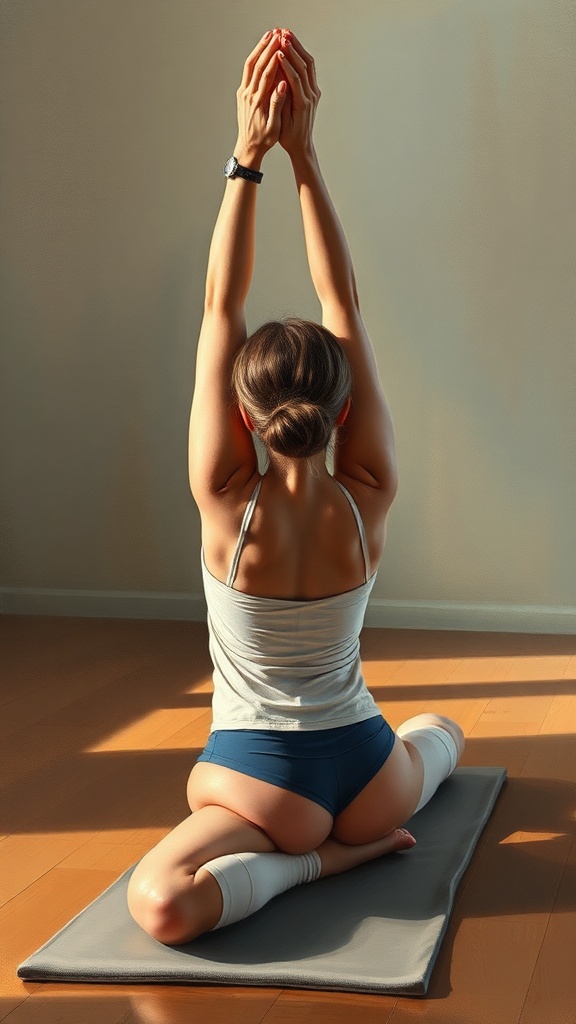
What Pilates focuses on
Pilates trains the “powerhouse” — the deep core muscles that support the spine and pelvis — while promoting balanced strength around the shoulders, hips, and glutes.
Key principles include mindful breathing, axial alignment, muscular control, flow, and precision. These elements combine to improve movement quality rather than just muscle size.
Mat vs. Reformer and common equipment
Mat Pilates uses bodyweight and small props (bands, magic circle, small ball) to build stability and control.
Reformer Pilates introduces springs and a sliding carriage to create adjustable resistance and greater variety. Other useful tools include the Cadillac, Wunda chair, and Pilates ring. Choosing mat or reformer depends on goals, budget, and access — both deliver strong results when instruction is skilled.
Benefits you’ll notice
– Improved posture and spinal alignment
– Greater core stability and reduced low-back pain risk
– Enhanced joint mobility and muscular balance
– Better breathing mechanics and pelvic floor awareness
– Smooth, efficient movement for daily activities and sports
Who should try Pilates
Pilates is adaptable for beginners, older adults, prenatal/postnatal clients with appropriate modifications, and athletes seeking cross-training. People recovering from injury should consult a healthcare professional and work with a certified instructor who understands rehabilitation principles.
How to choose an instructor or class
Look for instructors with reputable certification and continuing education in Pilates and anatomy. Group classes are great for motivation and consistency; private sessions accelerate progress through tailored programming. Ask how instructors assess movement patterns, address injuries, and progress exercises. A reputable instructor will emphasize alignment, breath, and controlled progressions.
Simple 10-minute mat routine (beginner-friendly)
Perform controlled repetitions, focusing on breath and alignment. Modify or skip exercises if you feel pain.
– Breathing and pelvic floor activation: 1–2 minutes, diaphragmatic inhales, slow exhales, gently engage pelvic floor on exhale.
– Pelvic curl: 8–10 reps, articulate through the spine, lift hips to create a straight line, then roll down.
– The Hundred (modified): 50 pumps or 30 seconds with knees bent and head supported as needed.
– Single-leg stretch: 8–10 reps per side, keep the lower back lightly grounded.
– Spine twist (seated): 6–8 reps per side, move from the waist with stable hips.
– Swimming (prone): 20–30 seconds, focus on light scapular stability and long neck.
Progression and consistency
Aim for 2–4 Pilates sessions per week, alternating mat and reformer when possible. Progress by increasing range of motion, control challenges (unstable surfaces, single-leg work), and resistance on equipment.
Consistency yields improved motor control and durable strength more than high-intensity sporadic workouts.
Safety and common pitfalls
Avoid forcing range of motion, holding breath, or using momentum. Listen to pain signals and prioritize quality over quantity. During pregnancy or when recovering from injury, seek a qualified instructor for tailored modifications.
Pilates is a versatile, low-impact approach that enhances how the body moves and feels.
With mindful practice and the right guidance, it builds sustainable strength, mobility, and better day-to-day function.