Choosing the right fitness gear can transform workouts from a chore into a habit. Whether you train at home, in a studio, or outdoors, focusing on durability, versatility, and tech that genuinely enhances performance keeps your investment working hard for you.
Start with your goals and space
Before buying, define what you want to accomplish: strength, mobility, cardio, or recovery.
Match gear to available space. Compact, multi-use items—adjustable dumbbells, resistance bands, kettlebells—are ideal for small areas. If you have more room, consider a power rack, barbell set, or cardio machine that folds or has a small footprint.
Prioritize quality over trends
High-quality basic gear lasts longer and performs better. Look for:
– Solid constructions: steel frames for racks and dumbbells, reinforced seams on bags and mats.
– Warranty and customer support: useful if a component fails.
– Replaceable parts: handles, straps, or padding that can be swapped instead of replacing entire pieces.
Tech that actually helps
Wearables and smart equipment can add accountability and insight when chosen carefully. Key features to evaluate:
– Accurate sensors: optical HR sensors, accelerometers, and GPS that are validated or have good user reviews.
– Battery and sync: long battery life and seamless Bluetooth or ANT+ syncing to your apps.
– Real-world value: look for devices that track metrics you actually use—heart rate zones, cadence, power, or reps—rather than novelty stats.
– Compatibility: make sure the gear syncs with your preferred training apps and health platforms.
Essential categories worth investing in
– Footwear: Choose cross-training shoes for mixed workouts and sport-specific shoes for running or lifting.
Fit and support matter more than flashy branding.
– Adjustable weights: Dumbbells and kettlebells that allow small incremental increases help progressive overload without filling a room.
– Resistance bands: Affordable, portable, and effective for warm-ups, mobility work, and strength training.
– Mats and flooring: Invest in a durable mat for floor work and layered flooring for heavy lifting to protect joints and floors.
– Recovery tools: Foam rollers, massage balls, and percussion devices help with tissue quality and mobility when used appropriately.
Space-saving and sustainable choices
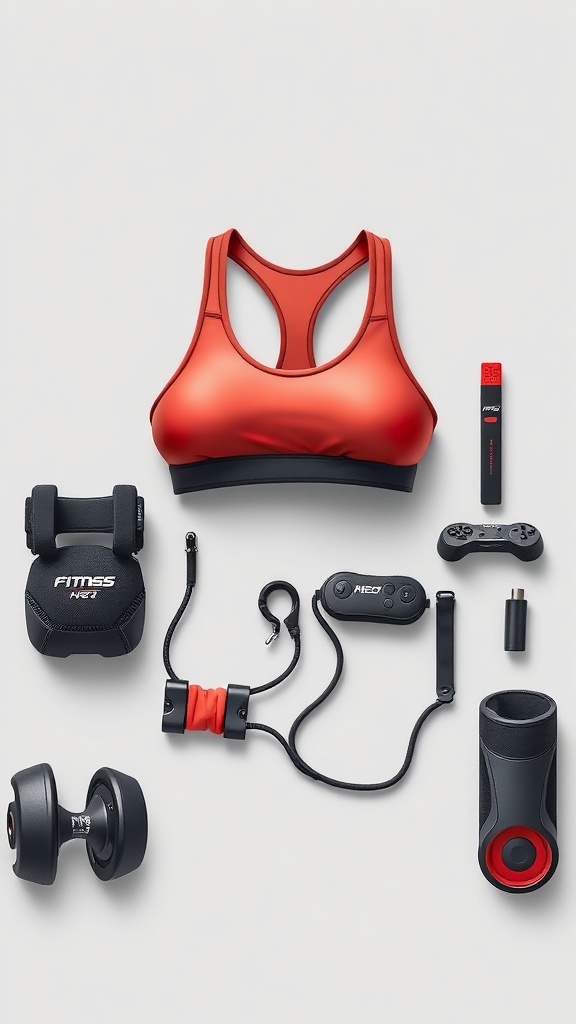
Look for modular equipment that expands as needs grow. Foldable benches, stackable plates, and convertible rigs save space and money. Sustainable materials—recycled rubber plates, natural rubber mats, and fabrics made from recycled fibers—reduce environmental impact while often offering comparable performance.
Maintenance and safety tips
– Inspect gear regularly: check straps, welds, and fasteners.
– Clean workout surfaces and grips to extend life and hygiene.
– Use proper flooring under heavy gear to prevent damage.
– Learn safe progression: increase volume and load gradually and use spotters or safety catches for heavy lifts.
Budgeting smartly
Split purchases into must-haves and nice-to-haves. Start with versatile essentials: a solid pair of shoes, a set of adjustable dumbbells or bands, and a mat. Add specialized machines or high-end tech later as your training becomes more specific.
Choosing fitness gear is about matching durability and functionality to your goals and environment. When you prioritize core essentials, reliable tech, and maintenance, your gear becomes a long-term partner in consistent progress and injury prevention—making workouts more efficient, safer, and more enjoyable.