Cardiovascular health is central to overall well-being, and small daily choices add up to major long-term benefits.
Heart disease remains a leading cause of illness and premature death worldwide, but much of the risk is modifiable through lifestyle, early detection, and targeted treatment.
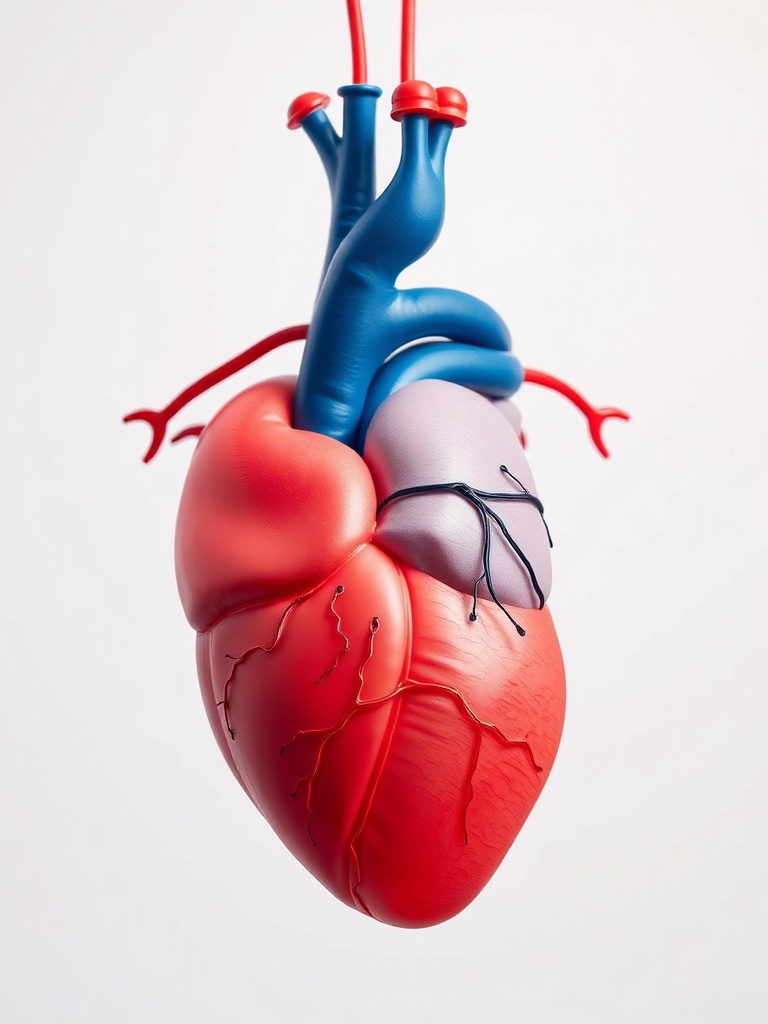
Key lifestyle habits that protect the heart
– Balanced diet: Emphasize whole foods—vegetables, fruits, whole grains, legumes, nuts, and oily fish. The Mediterranean and DASH-style patterns are consistently associated with lower risk of heart attacks and strokes. Prioritize healthy fats (olive oil, avocados, nuts), lean protein, and fiber while cutting back on processed foods, added sugars, trans fats, and excess sodium.
– Regular physical activity: Aim for at least 150 minutes of moderate aerobic activity per week, or its vigorous equivalent, plus strength training on two or more days. Splitting activity into short sessions makes it easier to maintain and still benefits blood pressure, cholesterol, and weight management.
– Maintain a healthy weight: Even modest weight loss improves blood pressure, blood sugar, and lipid profiles. Focus on sustainable changes in eating and activity rather than short-term diets.
– Quit smoking and limit alcohol: Tobacco dramatically increases cardiovascular risk; quitting yields rapid and long-term improvements.
If alcohol is consumed, do so in moderation—excess intake elevates blood pressure and contributes to weight gain.
– Prioritize sleep and stress management: Poor sleep and chronic stress raise inflammation and blood pressure. Aim for restorative sleep and use stress-reduction practices—mindfulness, yoga, walking, or counseling—to lower cardiac risk.
Know your numbers
Regular screening provides actionable insights. Tracking blood pressure, lipids (cholesterol), blood sugar, and body mass index helps identify risk early. Home blood-pressure monitors are widely available and accurate when used correctly; share readings with a clinician to guide treatment.
Wearable devices can help track activity and resting heart rate, but clinical decisions should rely on validated measurements and medical evaluation.
When lifestyle changes aren’t enough
For many people, medications play a critical role in prevention. Statins, antihypertensives, and diabetes treatments reduce the risk of heart attack and stroke when prescribed appropriately. Aspirin is no longer routinely recommended for primary prevention for most people—decisions on use should follow individualized discussion with a healthcare professional.
Adherence to prescribed medications and follow-up appointments dramatically improves outcomes.
Recognize symptoms and act quickly
Time is vital during heart attacks and strokes. Typical heart attack signs can include chest pain or pressure, shortness of breath, arm or jaw pain, and lightheadedness. Stroke symptoms often involve sudden weakness on one side, slurred speech, facial droop, or loss of coordination.
When in doubt, seeking immediate emergency care saves lives and limits long-term damage.
Prevention is practical and scalable
Community-level supports—safe places to walk, affordable healthy food, tobacco control policies, and accessible primary care—amplify individual efforts.
Technology and telemedicine improve monitoring and adherence, making prevention more attainable for many people.
Small steps yield big gains. Start with one change—swap processed snacks for a handful of nuts, add a brisk 20-minute walk to your day, or schedule a health check-up. Combining sensible habits with regular screening and clinical care is the most reliable path to a stronger, longer-lasting heart.