Gut-healthy eating: 6 science-backed steps to feed your microbiome
Gut health influences digestion, immunity, mood, and even metabolism. Today, food choices offer a powerful and practical way to nurture a diverse microbiome.
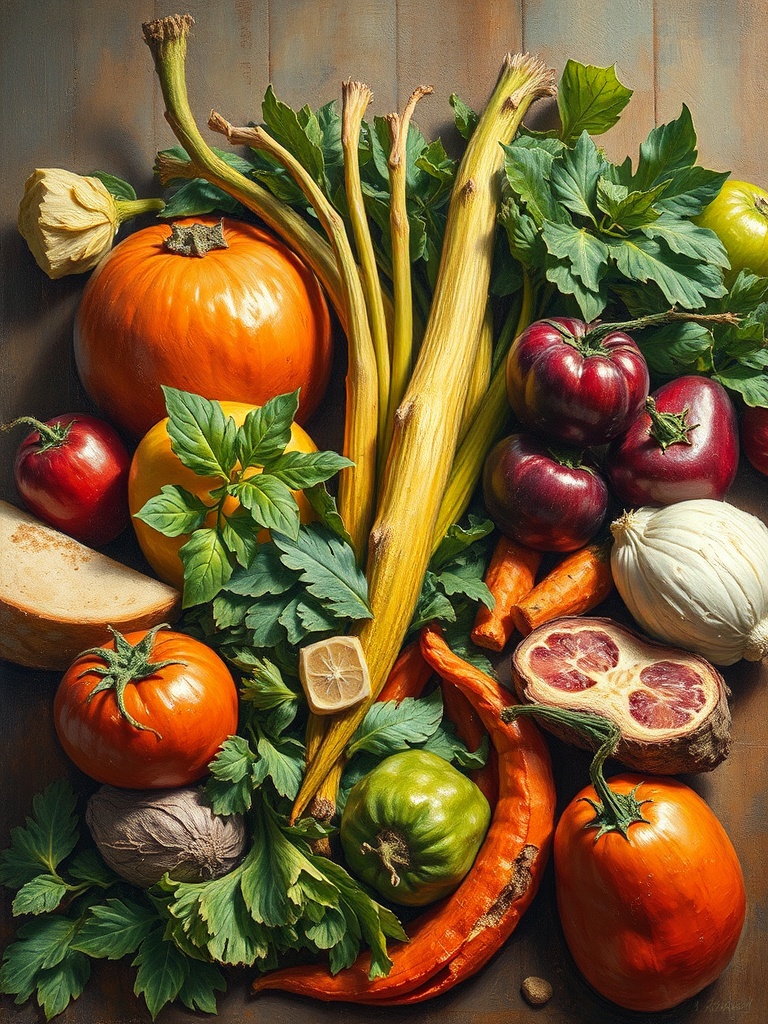
These six evidence-backed strategies are easy to apply and work for most people, whether you’re optimizing daily energy, supporting weight goals, or reducing bloating.
1) Prioritize a variety of fiber-rich plants
Different fibers feed different gut microbes. Aim to include multiple plant sources across meals—whole grains, legumes, fruits, vegetables, nuts, and seeds.
Soluble fibers (oats, apples, beans) help produce beneficial short-chain fatty acids, while insoluble fibers (whole wheat, leafy greens) support regularity. A simple rule: each meal should contain at least one vegetable and one whole-food carbohydrate.
2) Add polyphenol-rich foods
Polyphenols are plant compounds that selectively stimulate beneficial bacteria.
Berries, green tea, dark chocolate (high cacao), coffee, grapes, and colorful spices like turmeric and cinnamon are excellent sources. These foods are small but potent microbiome boosters—incorporate them as snacks, smoothies, or seasonings.
3) Include fermented foods and consider probiotics
Fermented foods—yogurt, kefir, sauerkraut, kimchi, miso, and kombucha—introduce live cultures and support microbial diversity. Regularly enjoying a small serving can help maintain gut resilience. For targeted digestive issues or after antibiotics, certain probiotic strains may help; choose products with clearly labeled strains and adequate colony counts, and consult a healthcare professional for personalized recommendations.
4) Focus on prebiotics, not just probiotics
Prebiotics are the fibers that feed beneficial microbes. Garlic, onions, leeks, asparagus, bananas (slightly underripe), Jerusalem artichokes, and chicory root are rich in prebiotic compounds. Adding these foods to meals makes your microbiome more hospitable to health-promoting bacteria.
5) Reduce excess ultra-processed foods and refined sugars
Highly processed foods, artificial sweeteners, and large amounts of refined sugar can negatively affect microbial balance and promote inflammation. Small, sustainable changes—swapping sugary drinks for water or tea, choosing whole grains over refined ones, and preparing more meals at home—can shift the gut environment toward greater resilience.
6) Lifestyle factors matter: sleep, stress, movement
Gut microbes respond to more than food. Prioritize consistent sleep, manage stress through techniques like deep breathing or short walks, and stay active.
Regular physical activity is linked to greater microbial diversity and improved metabolic markers. Even short bouts of movement and stress reduction can produce meaningful benefits over time.
Practical daily blueprint
– Breakfast: plain yogurt or a plant-based bowl with berries, oats, and a sprinkle of seeds.
– Lunch: mixed greens with legumes, roasted vegetables, and a polyphenol-rich dressing (olive oil + lemon + herbs).
– Snack: an apple or a small handful of nuts; green tea.
– Dinner: whole-grain grain or starchy vegetable, a source of lean protein, plenty of colorful vegetables, and a side of fermented veggies.
When to see a professional
Persistent bloating, severe digestive pain, unexplained weight loss, blood in stool, or major changes in bowel habits warrant medical evaluation. A registered dietitian or gastroenterologist can tailor recommendations, especially if you have conditions like IBS, IBD, or food sensitivities.
Small changes yield lasting gains
Feeding your microbiome doesn’t require drastic diets. A focus on diverse plant foods, fermented items, prebiotics, reduced ultra-processed choices, and balanced lifestyle habits creates a supportive environment for gut health that pays dividends across well-being. Start with one or two shifts this week and build from there—consistency is the strongest driver of lasting change.