Smart choices for your fitness gear can boost performance, save space, and keep workouts consistent. Whether you train at home, in a gym, or outdoors, focus on gear that matches your goals, fits your lifestyle, and lasts. This guide covers essentials, tech that actually helps, and buying and care tips to get the most value from every purchase.
Key categories to consider
– Strength: Adjustable dumbbells, kettlebells, and a stable bench provide the biggest return on investment for muscle-building and functional strength. Adjustable dumbbells are space-efficient and versatile for progressive overload.
– Mobility & recovery: Foam rollers, massage guns, and mobility bands support recovery and reduce injury risk. Compression sleeves and moisture-wicking recovery garments help circulation and comfort after heavy sessions.
– Cardio & endurance: A quality jump rope, resistance sled or parachute for sprint work, and a reliable bike trainer or treadmill offer varied cardio options. For limited space, foldable or compact designs are best.
– Functional training: Suspension trainers, plyo boxes, and a solid mat create a flexible functional area for bodyweight and high-intensity interval training (HIIT).
– Wearables & trackers: Smartwatches and heart-rate monitors guide intensity, track stress and sleep, and sync with training apps for objective progress tracking.
Smart tech that’s actually useful
Not every gadget is worth the cost. Prioritize devices that improve training decisions or recovery:
– Heart-rate variability (HRV) monitoring for daily readiness insights and program adjustments.
– Power meters for cyclists or smart trainers that simulate realistic resistance and integrate with coaching platforms.
– Apps that log workouts and auto-adjust plans based on performance, rather than standalone devices that only display metrics.
Material and build quality matters
Look for durable finishes and materials that match intended use. Rubber-coated handles, corrosion-resistant metal for weight plates and steel frames with quality welds increase lifespan. For apparel, choose fabrics with proven moisture-wicking and anti-odor properties; flat seams and reinforced stitching prevent chafing and premature wear.
Sustainability and circular options
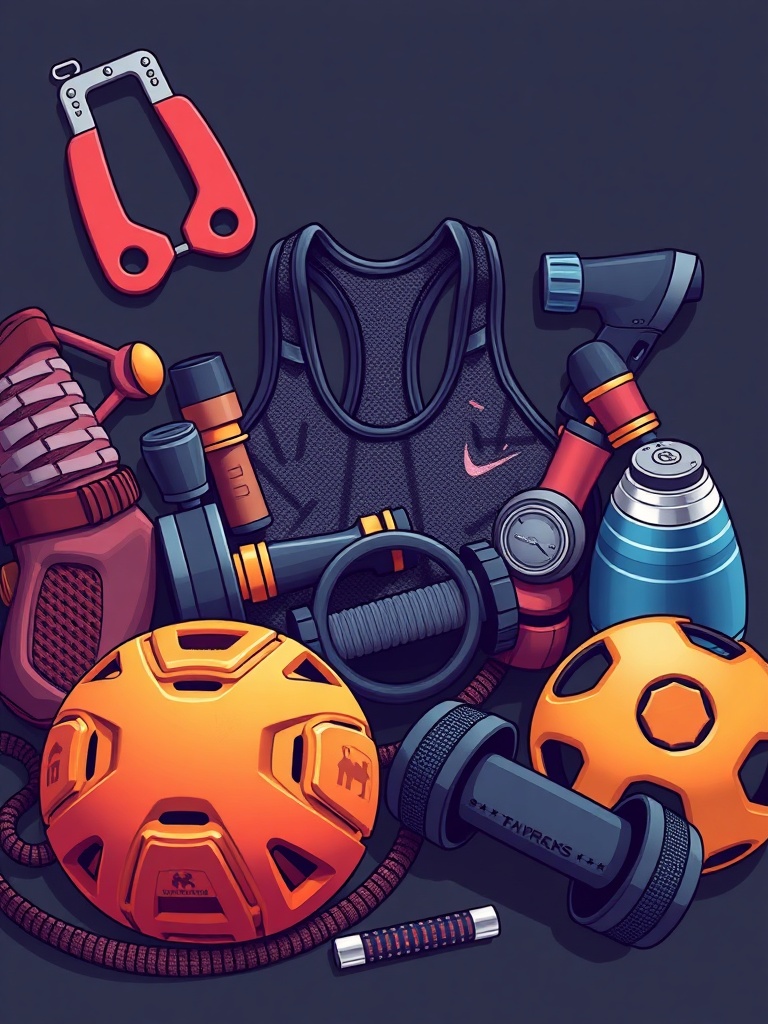
Sustainable choices are increasingly available: recycled materials, biodegradable packaging, and repair-friendly designs extend product life and reduce waste. Consider buying secondhand for high-quality cardio machines and free weights—these hold value and often come with minimal wear.
Buying checklist
– Match gear to goals and space: Don’t buy a bulky treadmill if space or usage is limited.
– Test ergonomics: Handles, grips, and saddle height should feel comfortable and natural.
– Check connectivity: If you rely on data, ensure devices support your preferred apps and have regular firmware updates.
– Warranty and service: Look for transparent warranty terms and accessible customer service for parts and repairs.
Care and storage tips
– Wipe down electronics and fabrics after use to prevent sweat damage and odors.
– Store weights on racks to protect floors and maintain balance.
– Keep batteries charged and firmware updated to avoid unexpected failures.
– Air-dry mats and gear thoroughly before storing to prevent mildew.
Prioritize versatility and longevity to ensure each piece of gear supports consistent progress. With the right combination of practical tools and smart tech, you can build a training setup that grows with your goals, conserves space, and minimizes cost over time.