Small, consistent changes add up to powerful protection for your heart. Cardiovascular disease remains a leading cause of illness and loss of life worldwide, but much of the risk is controllable. Focusing on daily habits, regular monitoring, and knowing the warning signs makes a real difference.
Key habits that protect your heart
– Move more every day: Aim for a mix of aerobic activity and strength work.
Brisk walking, cycling, swimming, or group fitness classes improve circulation, reduce blood pressure, and support weight control. Short bouts of activity scattered through the day are effective if longer sessions aren’t possible.
– Choose a heart-healthy eating pattern: Emphasize whole foods—vegetables, fruits, whole grains, legumes, nuts, lean proteins, and healthy fats like olive oil and oily fish. Reduce processed foods, added sugars, and excess sodium.
Small swaps—oats for sugary cereal, beans for some meat portions, grilled over fried—are sustainable ways to cut risk.
– Prioritize sleep and stress management: Poor sleep and chronic stress both harm cardiovascular health through inflammation, high blood pressure, and unhealthy coping behaviors. Aim for consistent sleep, even schedules, and use relaxation strategies like deep breathing, short walks, or mindfulness to lower tension.
– Quit tobacco and limit alcohol: Smoking dramatically increases heart and vascular risk. Quitting and avoiding secondhand smoke reduce risk quickly. If you drink alcohol, do so in moderation; find social and relaxation alternatives when possible.
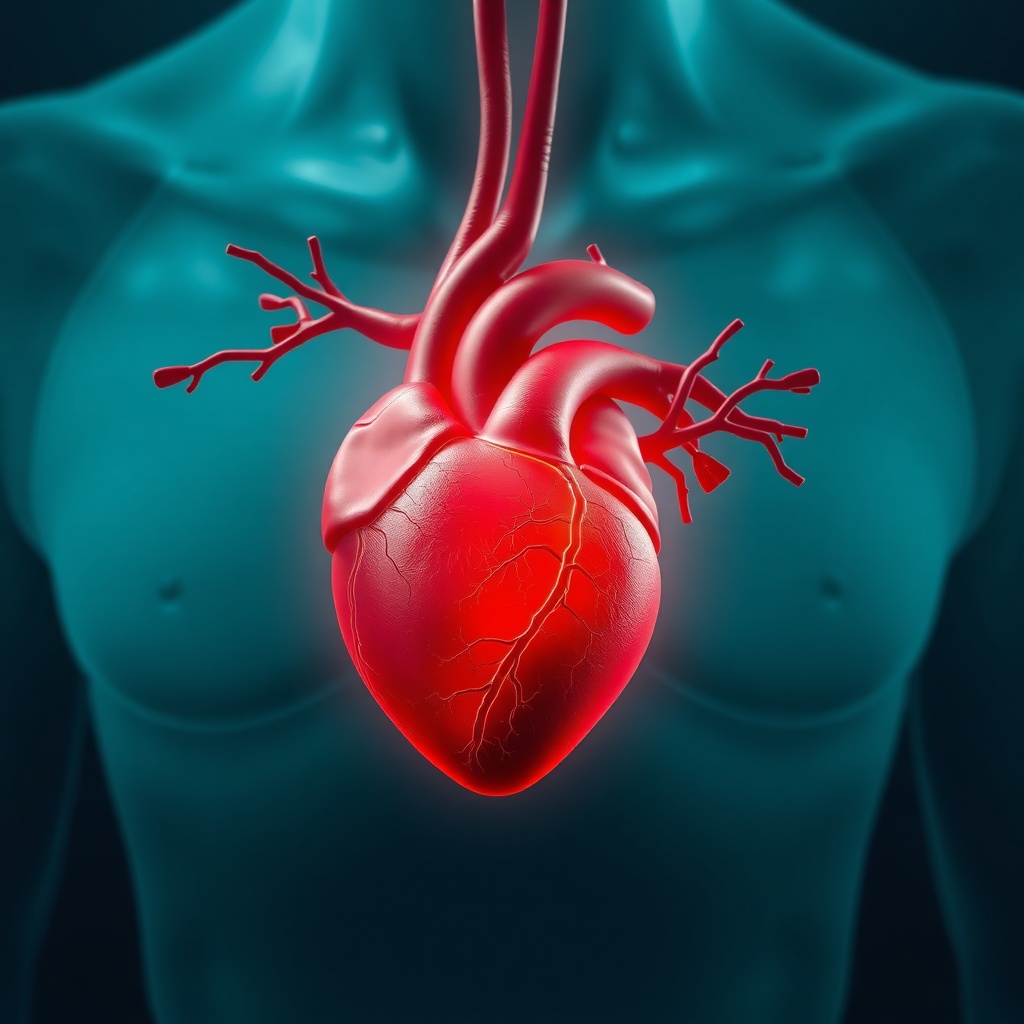
Know your numbers
Regular screening gives you actionable targets. Key measurements include blood pressure, fasting glucose or A1c (for blood sugar), and cholesterol profile.
If one of these is outside the healthy range, tailored plans—lifestyle change plus medication when indicated—can control risk.
Home blood pressure monitors and pharmacy screenings can help track progress between appointments.
Medications and adherence
When prescribed, medications for blood pressure, cholesterol, or diabetes significantly reduce risk of heart attack and stroke.
Take medications exactly as instructed, discuss side effects with your clinician, and don’t stop drugs without medical advice. Newer therapies and combination approaches give clinicians more tools to individualize treatment.
Use technology wisely
Wearable devices and smartphone apps can reinforce healthy habits—step counts, workout tracking, and reminders for meds or screenings. Telemedicine makes follow-up easier for many people. Use validated devices and share meaningful data with your clinician rather than trying to self-manage complex issues alone.
Recognize early warning signs
Immediate action saves lives when a heart attack or stroke occurs.
Common heart attack signs include chest discomfort or pressure, discomfort in one or both arms, shortness of breath, nausea, lightheadedness, or sweating. Stroke warning signs often appear suddenly and include facial drooping, arm weakness, and speech difficulties—act quickly and seek emergency care. If symptoms are unclear, err on the side of calling emergency services.
Make prevention social and sustainable
Lifestyle change sticks best when it’s social and realistic. Cook meals with family, join a walking group, or set shared goals with friends. Break big goals into weekly or monthly steps and celebrate progress. Small, consistent improvements are more powerful and sustainable than occasional extremes.
When to see a clinician
Schedule an appointment if you have high or fluctuating blood pressure, a family history of early heart disease, chest pain, unexplained shortness of breath, or multiple cardiovascular risk factors like diabetes and smoking. Regular checkups are the backbone of prevention.
Protecting your heart is an ongoing process that blends daily habits, accurate monitoring, and prompt medical care when needed.
Start with one achievable change and build from there—your heart will thank you.