Pilates: Why It Works and How to Make the Most of Your Practice
Pilates has moved beyond a boutique fitness trend to become a staple for people seeking better posture, functional strength, and injury prevention. Rooted in precision, breath control, and mindful movement, Pilates builds a resilient body without heavy impact — making it valuable for beginners, athletes, and anyone rehabbing an injury.
Core principles that deliver results
– Concentration: Every movement is intentional. Focusing on quality over quantity reduces compensatory patterns and trains efficient motor control.
– Breath: Coordinated breathing supports core engagement and helps manage intra-abdominal pressure during movement.
– Control: Slow, deliberate repetitions develop stability and reduce reliance on momentum.
– Alignment: Pilates emphasizes neutral spine and balanced joints to distribute forces safely.
– Flow and precision: Smooth transitions and precise placement increase coordination and challenge neuromuscular systems.
Popular formats and equipment
– Mat Pilates: Accessible and portable, mat classes use bodyweight and small props (bands, balls, rings). Excellent for establishing foundational control.
– Reformer Pilates: The reformer adds springs and a sliding carriage for variable resistance. It scales easily for different abilities and offers dynamic resistance training.
– Cadillac and Chair: These apparatuses provide unique angles and support for advanced strengthening and rehabilitation work.
– Hybrid classes: Many studios combine Pilates with barre, yoga, or strength training to broaden functional capacity and keep sessions engaging.
Benefits you’ll notice
– Improved posture and spinal alignment, which reduces chronic neck and back pain for many people.
– Enhanced core stability and functional strength that supports daily activities and athletic performance.
– Increased mobility and joint health through controlled range-of-motion work.
– Better proprioception and balance, lowering fall risk and improving movement efficiency.
– Low-impact conditioning that is gentle on joints while still providing an effective workout.
How to choose a class or instructor
– Qualifications matter: Look for instructors with comprehensive Pilates certification and continuing education in anatomy or rehabilitation.
– Start with an assessment: A good instructor will evaluate your movement history and goals before prescribing exercises.
– Private vs group: Private sessions accelerate progress and address specific limitations; group classes offer affordability and community.
– Communication: Choose someone who provides clear cues, modifications, and safety-based progressions.
Common mistakes and how to avoid them
– Holding breath: Forgetting to breathe reduces effectiveness and increases tension. Coordinate exhalations with exertion.
– Rushing movements: Fast reps shift work away from stabilizers.
Slow, controlled repetitions maximize recruitment of deep core muscles.
– Overworking the superficial abs: Aim for transverse abdominis and pelvic floor engagement rather than just visible crunches.
– Skipping progression: Master foundational control before adding complex equipment or higher resistance.
Quick tips to level up your practice
– Practice consistency: Short, frequent sessions reinforce motor learning better than occasional long workouts.
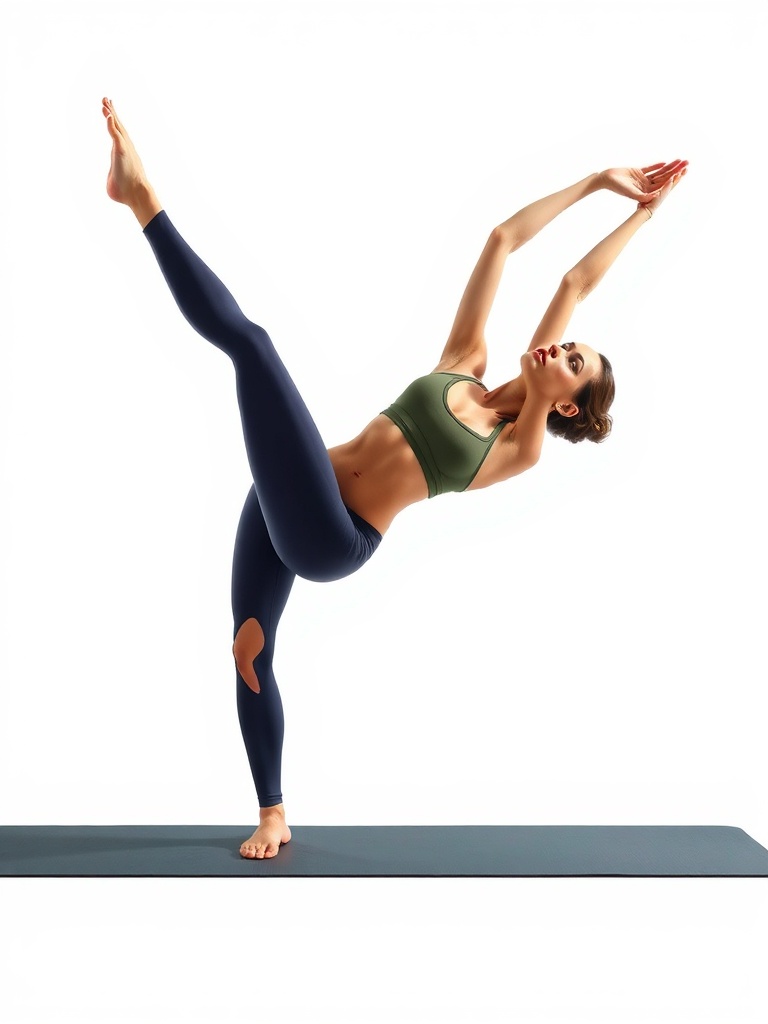
– Focus on single-leg work: It exposes asymmetries and improves unilateral stability relevant to daily life.
– Integrate breath and pelvic-floor cues into every movement for stronger, safer core function.
– Use small props to change sensory feedback and challenge coordination without increasing joint load.
Pilates is adaptable, efficient, and sustainable. Whether your aim is rehabilitation, athletic enhancement, or better posture, a thoughtful Pilates practice builds lasting strength and movement confidence. Start with a movement assessment, prioritize quality of motion, and progress gradually — your body will reward patient, precise training.