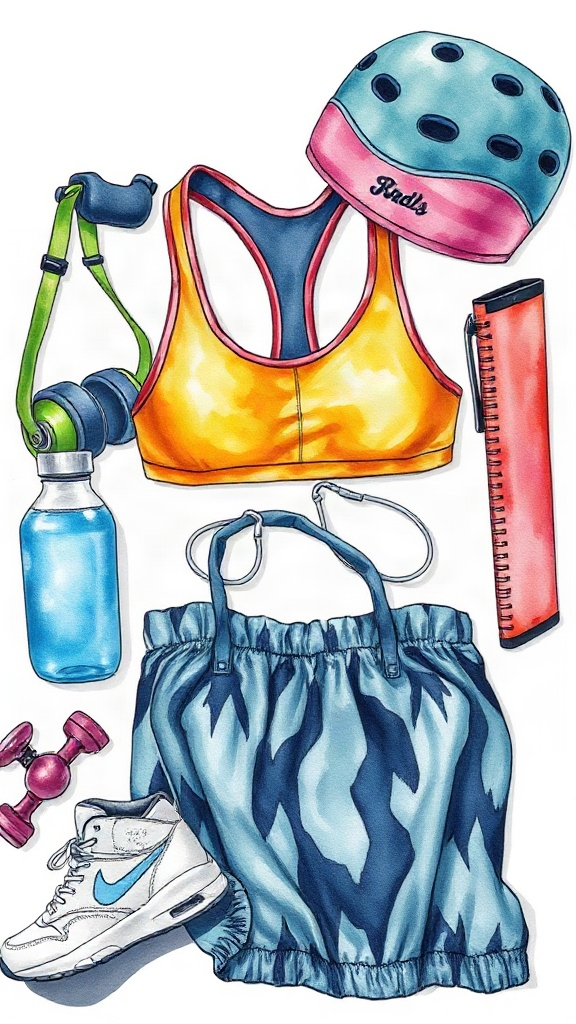
Modern fitness gear that actually helps you reach goals
Fitness gear has shifted beyond flashy gadgets and one-size-fits-all equipment. Whether you train at home, in a gym, or outdoors, the best purchases now blend smart functionality, sustainability, and space-saving design. Here’s a practical guide to the gear worth investing in and the features that matter most.
Wearables that do more than count steps
Wearables remain a central part of training for many people. Look for devices that pair accurate heart-rate monitoring with useful training metrics like recovery scores, training load, and sleep tracking. Built-in GPS and long battery life are important if you run or bike outdoors. Open ecosystems and good app support are a plus — they let you export or sync data with platforms you already use. For strength-focused athletes, wearable rep counters and form-monitoring sensors can help refine technique.
Strength and home-gym essentials
Space-smart strength options have matured. Adjustable dumbbells and plate systems dramatically reduce clutter while covering most strength needs.
Compact cable systems and foldable benches bring gym-level versatility into small spaces. For cardio, compact rowers and folding treadmills are practical choices when space is limited. When buying, prioritize solid warranties, easy assembly, and repairable parts — those factors extend lifespan and reduce total cost.
Apparel and footwear that work harder
Fitness apparel now emphasizes sustainable fibers and high-performance finishes. Moisture-wicking, quick-dry fabrics with durable, odor-resistant treatments keep workouts comfortable and hygienic.
For footwear, prioritize fit and function: choose shoes designed for your primary activity (running, lifting, cross-training) and check for stability, cushioning, and outsole durability. If possible, try shoes on later in the day when feet are naturally swollen to ensure a reliable fit.
Recovery tools that speed progress
Recovery gear has become more approachable and affordable.
Percussive massage devices, foam rollers, and compact stretch systems support mobility and pain management. Compression sleeves and boots can help with circulation after intense sessions, while infrared or heating pads aid local recovery. Remember that recovery tools complement, not replace, consistent mobility work, sleep, and hydration.
Sustainability and durability
Materials matter. Recycled synthetics, natural fibers like Tencel, and low-impact dye processes reduce environmental footprint without sacrificing performance. Durable zippers, reinforced seams, and replaceable shoe components add value over time. If sustainability is a priority, look for transparent brands that disclose material sourcing and end-of-life options like take-back programs.
Key features to look for before buying
– Clear return policy and warranty for peace of mind
– Real-user reviews focused on durability and long-term use
– Replaceable or repairable parts for large equipment
– App or ecosystem compatibility for tech purchases
– Material and wash-care information for apparel
– Compact or modular design if space is limited
Budget vs premium: where to spend
Splurge on items you use most and that affect safety — shoes, a solid bench, or a reliable wearable. Save on accessories that are easy to replace, like resistance bands or basic mats. For home gyms, measure your space and prioritize multi-use equipment to get the most value.
Final suggestions
Before buying, test gear when possible and check return windows. Read multiple user reviews, prioritize functional features over brand hype, and consider long-term costs like maintenance or subscription apps. The best gear supports consistent progress, fits your routine and space, and lasts long enough to pay for itself.