Home workout gear that actually helps you make progress
Whether you train at home, at the gym, or on the go, choosing the right fitness gear makes workouts safer, more effective, and more enjoyable.
Focus on versatile, durable items that match your goals and space.
Below are practical guidelines for selecting equipment that will deliver results and last.
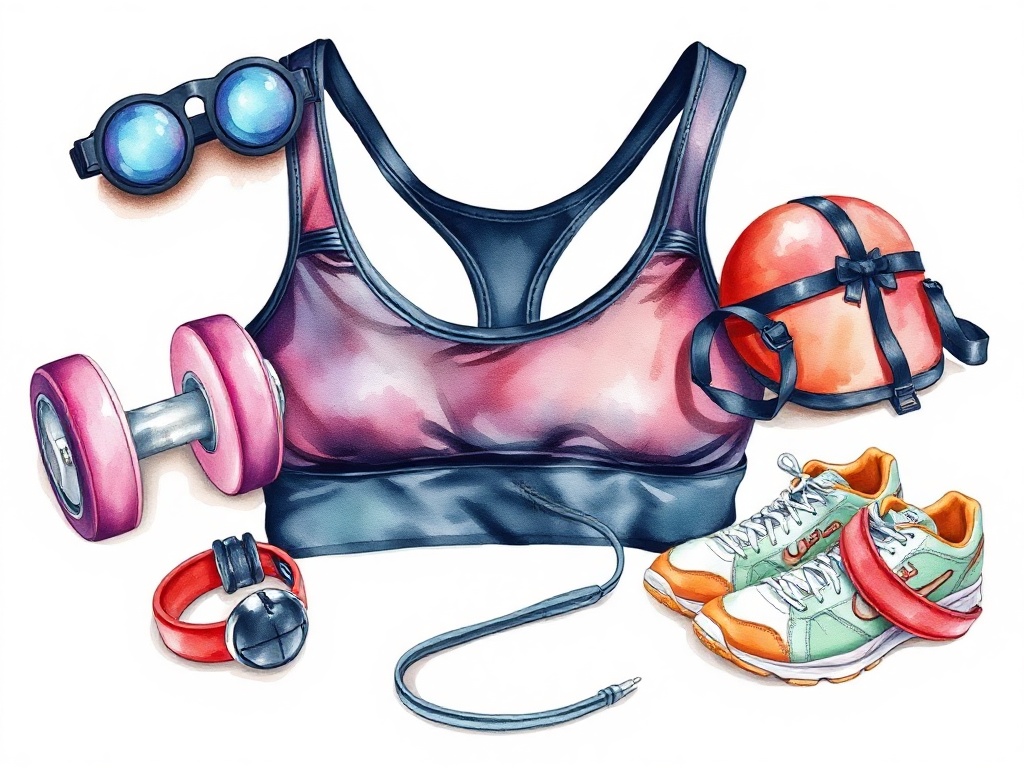
Choose gear that matches your goals
– Strength: Adjustable dumbbells, kettlebells, and a sturdy barbell setup let you progress with heavier loads. Look for compact, easy-to-adjust systems if space is limited.
– Mobility and recovery: Foam rollers, massage balls, and a quality yoga mat help maintain range of motion and reduce injury risk.
– Cardio and conditioning: A jump rope, compact stepper, or a foldable cardio machine gives high-intensity options without large footprints.
– Flexibility and balance: Resistance bands and a balance pad add variety to bodyweight and mobility work.
Materials and durability matter
Buy once, buy well.
Look for equipment with solid construction—reinforced seams on bands, powder-coated steel on weights, and closed-cell or eco-TPE mats that resist moisture and odor. Natural latex bands have great elasticity but check for allergies; silicone or thermoplastic elastomers (TPE) are good alternatives for durability and sweat resistance.
Space, portability, and storage
Measure your workout area before purchasing. Adjustable dumbbells and compact multi-tools save space while providing progressive resistance. Resistance bands and suspension trainers are highly portable and excellent for travel or small apartments. Consider wall racks or storage cubes to keep heavier items off the floor and extend equipment life.
Safety and ergonomics
Proper form depends on gear that fits your body.
Choose kettlebells and handles with comfortable grips and ergonomic shapes. Check that weight plates sit flush with bars and that adjustable mechanisms lock securely.
For cardio machines, prioritize stable bases and clear weight/payload limits. Always inspect equipment regularly for wear—frayed bands, loose bolts, or cracked handles are signs to replace.
Wearable tech without the hype
Trackers and heart-rate monitors can guide intensity and recovery.
Prioritize accuracy, battery life, water resistance, and compatibility with your preferred apps. Sleep and recovery metrics are increasingly useful for tailoring training load; however, the simplest features—step count, heart rate zones, and workout timers—often deliver the most consistent value.
Hygiene and maintenance
Keep gear clean to extend life and maintain performance. Wipe down mats and handles after use with a mild, approved cleaner; avoid harsh chemicals that break down foam and rubber. Store bands flat or hanging to prevent creasing; keep metal weights dry and occasionally wipe with light oil to prevent corrosion.
Budget priorities
Invest in a few high-quality staples rather than many cheap items.
A durable mat, a set of adjustable weights or stacking dumbbells, and a reliable pair of resistance bands cover most training needs. Build slowly—add specialized equipment like a sled or squat rack only when your space and training plan justify it.
Final thought
Intelligent gear choices remove barriers and keep you consistent. Decide what you want to achieve, pick durable, safe tools that fit your space, and maintain them. That combination turns good intentions into measurable progress.