Smart workout routines are built around three simple principles: consistency, progressive overload, and recovery. Whether you’re short on time, training for strength, or aiming to lose fat, a flexible plan that respects those principles will deliver steady results without burnout.
Start with the right structure
Pick a weekly split that matches your schedule and energy.
Popular, effective options include:
– Three full-body sessions: great for busy lifestyles and for accelerating strength gains with less gym time.
– Four days (upper/lower): balances volume and recovery for intermediate lifters.
– Five or six days (push/pull/legs or movement-focused): suits experienced trainees who can handle higher frequency.
Warm-up and mobility
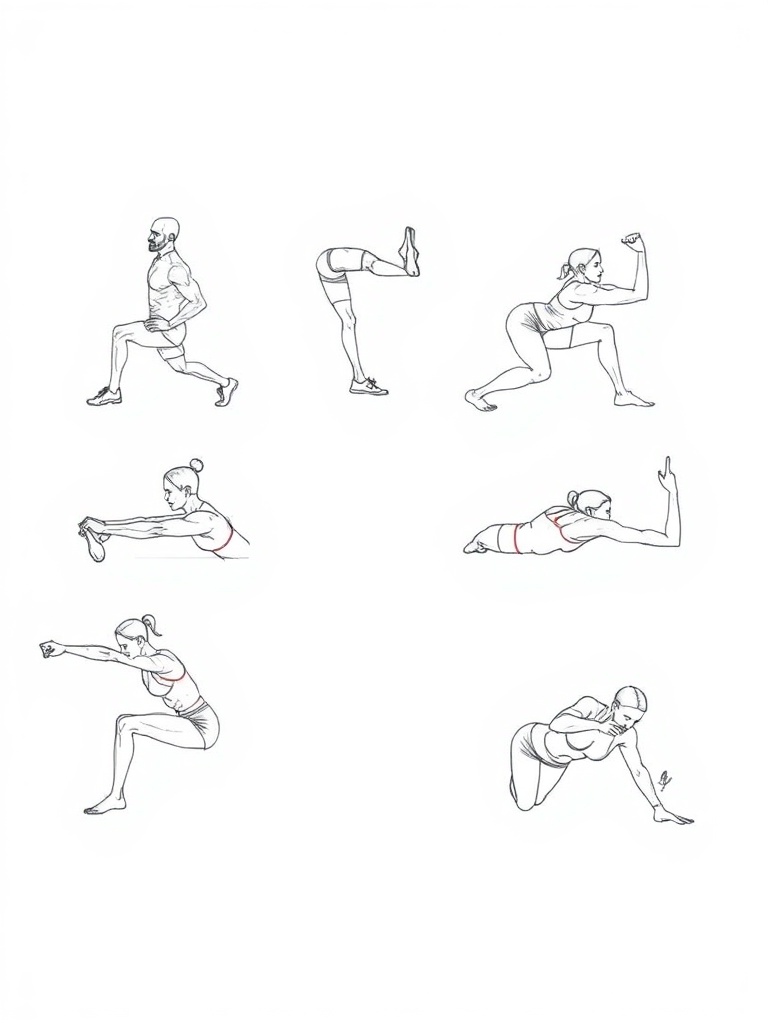
Every session should begin with 5–10 minutes of light cardio (bike, brisk walk, or row) followed by dynamic mobility and activation work targeting the joints and muscles you’ll use that day. This reduces injury risk and improves performance. Finish with a short cool-down and 3–5 minutes of foam rolling or stretching to aid recovery.
Mix strength and cardio intelligently
Hybrid training—combining resistance work with cardio—gives the best of both worlds. Prioritize strength at the start of a session when you have the most energy, especially for compound lifts like squats, deadlifts, presses, and rows. Add cardio either as a focused session (steady-state or intervals) or use short high-intensity intervals (10–20 minutes) after strength work to boost conditioning without compromising gains.
Programming basics
– Frequency: Hit each major muscle group 2–3 times per week for optimal progress.
– Volume: Keep weekly sets per muscle in a moderate range and adjust up or down based on recovery.
– Intensity: Use a mix of heavy sets (low reps) for strength and moderate loads (8–15 reps) for hypertrophy.
– Progressive overload: Increase load, reps, sets, or density gradually—small, consistent improvements matter more than sporadic leaps.
Time-efficient formats
When time is limited, use:
– EMOM (every minute on the minute) for strength and conditioning.
– AMRAP (as many reps/rounds as possible) for metabolic work.
– Supersets to reduce rest time and increase density.
Recovery and lifestyle factors
Sleep quality, nutrition, and stress management determine whether workouts translate into progress.
Aim for consistent sleep and prioritize protein intake—rough guidelines often recommend around 0.7–1 gram per pound (1.6–2.2 g/kg) of body weight for those building or maintaining muscle. Monitor daily readiness using simple tools: resting heart rate, subjective energy levels, and heart rate variability if you use a wearable. Reduce training intensity when multiple recovery markers trend poorly.
Technique and injury prevention
Form matters more than ego.
Use conservative loads to master movement patterns before increasing intensity.
Include mobility and stability work such as banded distraction, thoracic rotations, and single-leg balance drills to build durable movement.
When pain arises, back off and assess—persistent discomfort warrants professional guidance.
Sample week (time-efficient)
– Day 1: Full-body strength (squat pattern, push, hinge, accessory) — 40–50 minutes
– Day 2: Cardio intervals or low-intensity steady-state — 20–30 minutes
– Day 3: Full-body hypertrophy (supersets, 8–12 reps) — 40–50 minutes
– Day 4: Active recovery (mobility, yoga, walk) — 20–30 minutes
– Day 5: Mixed strength & conditioning (short circuits, core) — 30–40 minutes
Monitoring progress
Keep a training log with weights, reps, RPE, and notes about sleep and stress.
Review every few weeks to adjust volume and intensity based on results and recovery.
A smart routine is one you can stick to.
Focus on gradual progress, prioritize recovery, and choose exercises you enjoy—consistency over perfection will create lasting improvements in strength, fitness, and wellbeing.