Cardiovascular health affects nearly every aspect of daily life — energy, mood, longevity and resilience to illness. Managing heart health is less about dramatic measures and more about consistent, science-backed habits that reduce risk and improve quality of life.
Key risk factors to watch
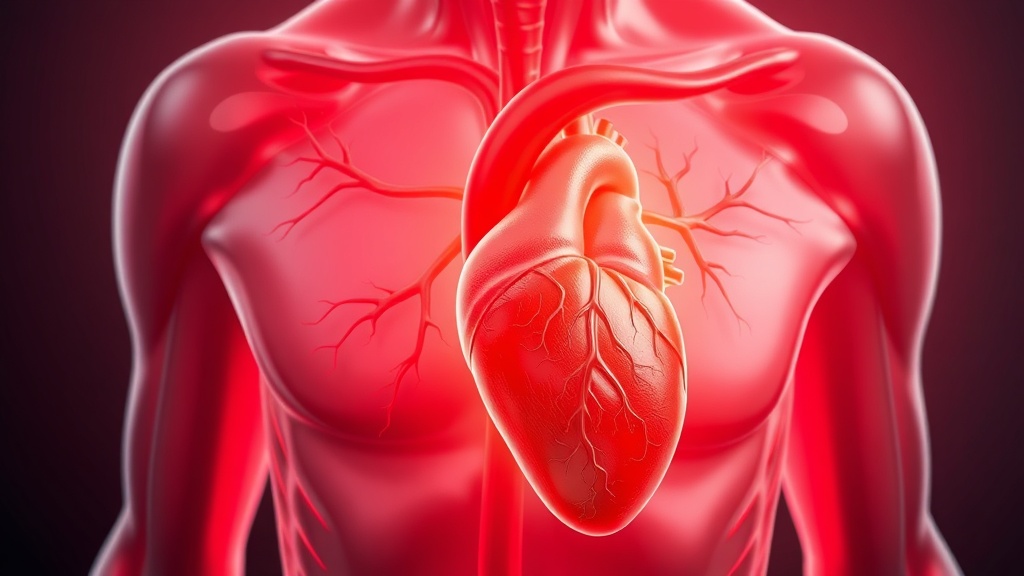
– High blood pressure and high cholesterol are the most modifiable drivers of heart disease.
– Type 2 diabetes, excess weight, smoking, and sedentary behavior raise risk substantially.
– Sleep apnea, chronic stress, and untreated depression also contribute.
– Family history matters, but lifestyle changes can still shift risk in a positive direction.
Practical lifestyle steps that work
– Move daily: Aim for at least 150 minutes of moderate aerobic activity per week or 75 minutes of vigorous activity, plus two sessions of strength training. Brisk walking, cycling, swimming, or interval training are excellent choices.
– Eat a heart-focused diet: Favor vegetables, fruits, whole grains, legumes, nuts, fatty fish, and olive oil.
The DASH and Mediterranean-style patterns are both backed by strong evidence for reducing blood pressure and improving cholesterol.
– Control weight gradually: Small, sustainable reductions in weight lower blood pressure and improve metabolic markers. Focus on nutrient-dense foods and consistent meals rather than crash diets.
– Quit tobacco and limit alcohol: Smoking cessation delivers one of the largest immediate benefits to heart health. If you drink, keep intake moderate and discuss limits with your clinician.
– Prioritize sleep and stress management: Aim for consistent, restorative sleep and use techniques such as mindfulness, cognitive strategies, or breathing exercises to reduce chronic stress effects on the heart.
Medical prevention and monitoring
– Regular screening matters: Routine blood pressure checks, lipid panels, and glucose testing help identify risks early.
Home blood pressure monitors can be useful when validated and used correctly.
– Work with your clinician on targets: Treatment decisions—whether lifestyle alone or plus medication—should be individualized. For many, statins and blood pressure medicines remain cornerstone therapies to reduce heart attack and stroke risk.
– Newer options complement care: Certain medications originally developed for diabetes and cholesterol reduction now show heart-protective benefits for appropriate patients. Discuss whether these options are relevant to you.
– Consider advanced risk assessment when unclear: Coronary artery calcium scoring and other tests can refine risk estimates for people with intermediate risk to guide therapy decisions.
Know the warning signs
– Heart attack: Be alert for chest discomfort or pressure, shortness of breath, sweating, nausea, or pain radiating to the jaw, neck, shoulder or arm. Symptoms vary; don’t ignore atypical signs.
– Stroke: Sudden weakness, numbness, trouble speaking, vision changes, or severe headache require immediate attention.
Use FAST as a quick reminder: Face drooping, Arm weakness, Speech difficulty, Time to call emergency services.
Small changes, big impact
Even modest improvements—walking more, swapping processed snacks for whole foods, quitting smoking, or controlling high blood pressure—produce measurable reductions in heart risk. Regular follow-up with a healthcare provider helps tailor prevention and treatment to individual needs. If you have concerns about symptoms or your risk profile, schedule an evaluation to build a personalized plan for stronger cardiovascular health.