Micro-Yoga for Busy Lives: Short Practices to Reduce Stress and Improve Focus
Busy schedules and long screens make it tempting to skip yoga, but brief, focused sessions can deliver pronounced benefits for body and mind. Micro-yoga—practices that take 5–15 minutes—fits into commute waits, lunch breaks, or between meetings and helps reduce stress, restore posture, and sharpen concentration without needing a full class.
Why micro-yoga works
Short sessions work because they target the nervous system and movement patterns that suffer most from sedentary habits. Even a few minutes of mindful stretching and breathwork signals the body to shift from sympathetic (fight-or-flight) to parasympathetic (rest-and-digest) state. Regular micro-practices create cumulative gains: better hip mobility, reduced neck and shoulder tension, improved breathing, and clearer thinking.
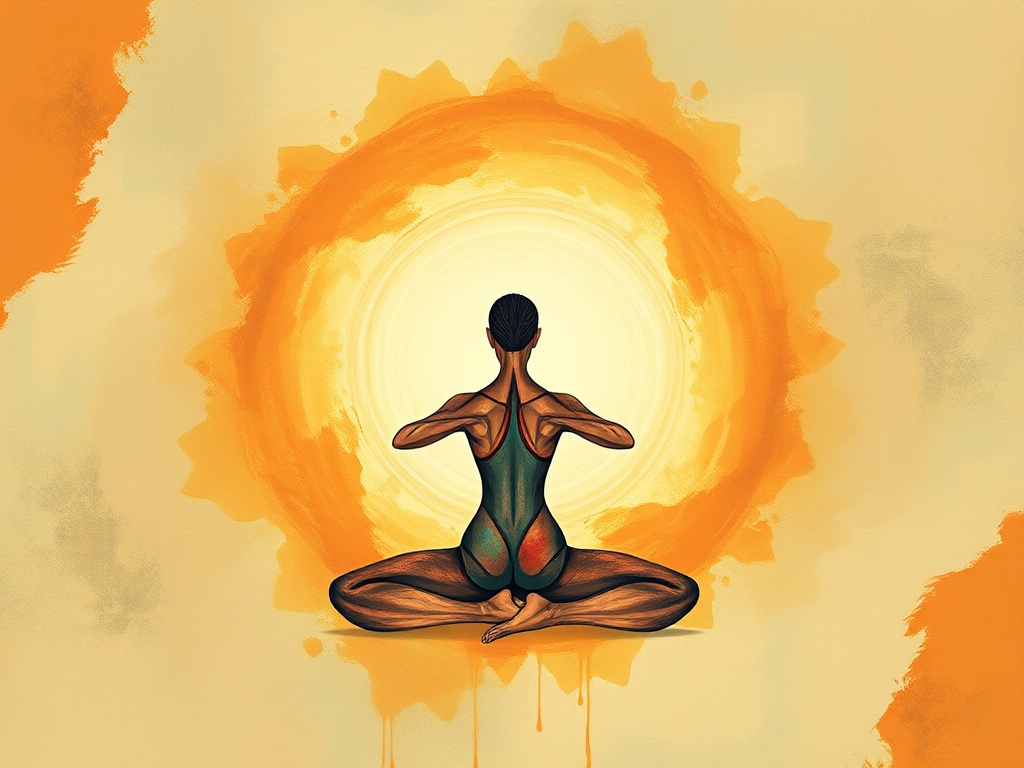
A focused 10-minute micro-yoga sequence
This sequence is mat-free and designed for tight schedules.
Move slowly, connect breath to motion, and modify any posture that causes pain.
– Minute 0–1: Grounding breath
Sit comfortably (on a chair if needed). Inhale for a count that feels natural, exhale fully. Repeat 6–8 breaths, letting shoulders drop on the exhale.
– Minute 1–3: Neck reset
Chin to chest, then gentle ear-to-shoulder stretches. Hold each side 3–4 breaths. Move slowly and avoid rolling if you have cervical issues.
– Minute 3–5: Shoulder opener
Clasp hands behind the back and draw shoulder blades together.
If clasping is difficult, use a strap or towel. Hold 5 breaths, then release. Repeat once.
– Minute 5–7: Seated cat-cow
On the inhale, lift the chest and arch the upper back (cow). On the exhale, round the spine and draw the navel in (cat).
Repeat 6–8 cycles, coordinating breath and movement.
– Minute 7–9: Hip mobility
From standing, do a slow standing figure-four: cross ankle over opposite thigh, bend the standing knee into a shallow chair pose. Hold 4–5 breaths each side. Use a wall or chair for balance if needed.
– Minute 9–10: Integrative breath and reset
Return to a comfortable seat.
Try box breathing: inhale for 4 counts, hold 4, exhale 4, hold 4. Do 3 rounds. Finish with a gentle smile and a broad shoulder release.
Pranayama practices to boost focus
Breathwork is the quickest route to calm and concentration. Two accessible techniques:
– Diaphragmatic breathing: Breathe into the belly, not the chest. Place one hand on the belly and one on the chest; the belly hand should rise on the inhale. Practice 6–10 breaths to reduce anxiety and slow heart rate.
– Alternate nostril breathing (Nadi Shodhana): Close one nostril with a finger, inhale through the open nostril, switch and exhale through the other. Continue for 6–10 cycles to balance the nervous system and steady the mind.
Tips for consistency
– Anchor to an existing habit: practice after morning coffee or before your afternoon walk.
– Keep it visible: place a mat or strap in a high-traffic spot as a visual cue.
– Track mini-wins: note three times you practiced each week to build momentum.
– Make it mobile: micro-yoga works on public transport, in office corners, or by a park bench.
Safety and modifications
If you have chronic pain, recent surgery, or specific medical conditions, check with a healthcare professional before starting. Keep movements pain-free and use props—chairs, walls, straps—to reduce strain.
A few minutes of intentional movement and breath can transform how you feel during the day. Start small, stay consistent, and let short routines grow into lasting habits that support posture, calm, and clarity.