Finding time for exercise is often the biggest obstacle to consistency. The good news: efficient, well-designed 30-minute workouts can build strength, boost conditioning, and improve mobility without requiring a big time commitment. Below are practical, evidence-backed approaches and sample routines that fit busy schedules.
Why 30 minutes works
– Full-body focus: Short sessions that target multiple muscle groups produce a strong training stimulus through compound movements.
– Intensity over duration: Smart use of intervals, circuits, and density work raises caloric burn and cardiovascular benefit in less time.
– Consistency breeds progress: Short, frequent sessions are easier to sustain, which matters more than individual workout length.
How to structure a 30-minute session
– Warm-up (3–5 minutes): Mobility drills and dynamic moves (arm circles, leg swings, hip hinges, glute bridges) to prime the nervous system.
– Main set (20–22 minutes): Choose one format—strength, HIIT, circuit, EMOM, or a hybrid.
– Cool-down (3–5 minutes): Light stretching and deep breathing to support recovery.
Formats and sample routines
1) Full-body strength circuit (3 rounds, minimal rest)
– Goblet squat — 12 reps
– Push-ups — 10–15 reps (modify on knees if needed)
– Dumbbell Romanian deadlift — 12 reps
– Bent-over row — 10 reps per arm or barbell row 10 reps
– Plank — 45 seconds
Notes: Use a weight that challenges you while maintaining form.
Rest 60–90 seconds between rounds.
2) EMOM (Every Minute On the Minute) hybrid
– Minute 1: 12 kettlebell swings
– Minute 2: 8–10 dumbbell thrusters
– Minute 3: 10–12 alternating lunges (total)
– Minute 4: 12–15 bent-over rows
Repeat 5 times for a 20-minute main set.
Notes: Finish each minute with 10–20 seconds of active recovery if needed.
3) HIIT cardio + strength blend (AMRAP style)
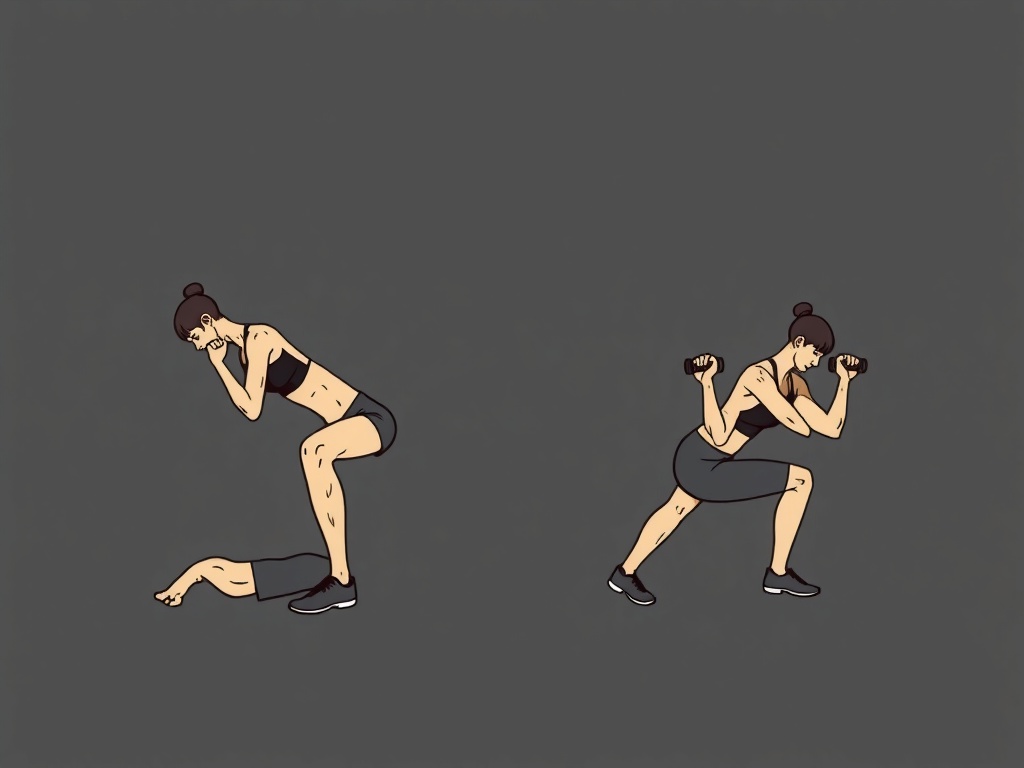
– 20-minute AMRAP (as many rounds as possible):
– 10 burpees
– 15 walking lunges (total)
– 20 mountain climbers (counted as 10 per leg)
– 15 sit-ups
Notes: Pace the first rounds conservatively to sustain intensity.
4) Mobility-focused recovery session (perfect for active recovery days)
– 5 minutes foam rolling (quads, lats, glutes)
– 10 minutes dynamic stretching and thoracic mobility
– 10 minutes controlled mobility flow (slow yoga-inspired movements)
Notes: Keeps movement quality high without adding fatigue.
Progression and programming tips
– Progressive overload: Increase reps, add weight, shorten rest, or add a round every 1–3 weeks.
– Frequency: Aim for 3–5 sessions per week, mixing hard and easy days.
– Balance: Alternate strength-focused days with cardio or mobility sessions to reduce injury risk.
– RPE and recovery: Use Rate of Perceived Exertion to auto-regulate.
If energy’s low, drop intensity or choose mobility work.
Equipment and at-home options
– Minimal gear: A single kettlebell or pair of dumbbells and a resistance band enables most workouts.
– No equipment: Bodyweight circuits, tempo push-ups, jump squats, lunges, and glute bridges deliver strong stimuli.
– Gym options: Add barbells, machines, and heavier plates to push strength progression.
Safety and sustainability
– Prioritize technique over load; poor form accelerates injury.
– Listen to pain signals—discomfort is different from sharp pain.
– Recover with quality sleep, protein-rich meals, and active rest days.
Consistency beats extremes. Short, smart workouts integrated into a weekly plan offer sustainable fitness gains and make staying active realistic, even with a packed schedule. Pick a format that fits your time and preferences, track small progressions, and the results will follow.