TRAINING NOTES / FIELD GUIDE
Why Thanksgiving Turkey Isn't Making You Sleepy: Tips to Avoid the Post-Feast Crash
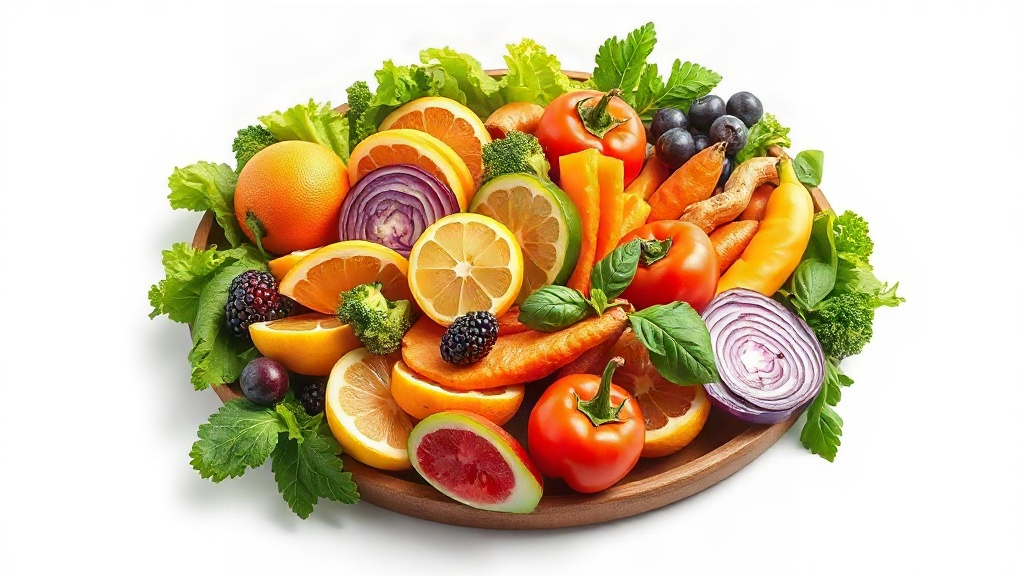
Thanksgiving week brings a familiar ritual: a table full of food, a long afternoon on the couch, and the quiet blame placed on the turkey. Nutrition experts, including dietitians at West Virginia University, are once again pushing back on that tradition. The bird isn't the real culprit behind post-feast fatigue. Understanding why can help you enjoy the holiday meal and still feel good afterward.
The Turkey Myth, Explained
The theory goes like this: turkey contains tryptophan, an amino acid your body uses to make serotonin and melatonin, which are linked to mood and sleep. Sounds convincing, but turkey doesn't contain unusual amounts of tryptophan. Chicken, beef, eggs, cheese, and even pumpkin seeds provide comparable or higher levels.
Tryptophan also has to compete with other amino acids to reach the brain. When you eat a protein-rich food, those competing amino acids tend to crowd it out. The sleepy feeling after a holiday meal is far more likely tied to the overall composition of the plate and the circumstances around it.
What Actually Makes You Sleepy
Several factors combine to create that heavy, drowsy feeling:
- Sheer volume of food. A very large meal diverts blood flow to your digestive system and demands extra energy for digestion. - Refined carbohydrates and sugar. Stuffing, rolls, mashed potatoes, and desserts can drive a rapid rise in blood sugar, often followed by a dip that leaves you sluggish. - Alcohol. A glass or two of wine is a well-known sedative and can disrupt sleep later in the evening. - Disrupted routines. Travel, early cooking, late meals, and less sleep all add to the fatigue.
In other words, it's the whole picture, not a single ingredient.
Smart Ways to Enjoy the Feast
You don't need to skip your favorite dishes. A few small strategies go a long way:
- Eat normally earlier in the day. Arriving ravenous often leads to overeating. A balanced breakfast with protein and fiber helps steady your appetite. - Build a balanced plate. Fill about half with vegetables, add a portion of turkey for lean protein, and leave room for the traditional sides you truly love. - Slow down. It takes roughly 20 minutes for fullness signals to reach your brain. Put your fork down between bites and savor the conversation. - Take a short walk. A 10 to 15 minute stroll after eating supports digestion and helps blood sugar levels settle. - Hydrate. Alternate alcoholic drinks with water to stay alert and feel better the next morning.
Nutrition Beyond the Holiday Table
While many households focus on abundance this week, food access remains a pressing concern for others. Food banks, including the Lowcountry Food Bank in South Carolina, are continuing nutrition education classes even as participation in SNAP declines. These programs teach practical skills such as budgeting, reading labels, and cooking healthy meals from pantry staples, which matter most when household budgets are stretched.
At the national level, there is growing interest in treating food as a part of health care. Medicare is currently testing a pilot program, valued at about $47 million, that explores medically tailored meals, cooking classes, and exercise coaching. It's important to note that this is a test rather than a new benefit, so coverage isn't available to everyone yet. Still, it reflects a broader shift: policymakers and clinicians increasingly recognize that what's on the plate can influence chronic conditions like diabetes, heart disease, and obesity.
A Healthier Mindset for the Season
The most useful takeaway is that nutrition is about patterns, not perfection. One celebratory meal won't undo your health goals, and one ingredient won't ruin your afternoon. Focus on balance, mindful portions, and movement, and let the turkey off the hook.
Whether you're hosting a crowded table, volunteering at a local food pantry, or simply learning to cook more at home, small and consistent choices make the biggest difference. Good nutrition is something to share, teach, and enjoy well beyond the holiday weekend.