TRAINING NOTES / FIELD GUIDE
Why Staying Active Matters at Every Age: Simple Exercise Tips for a Healthy Life
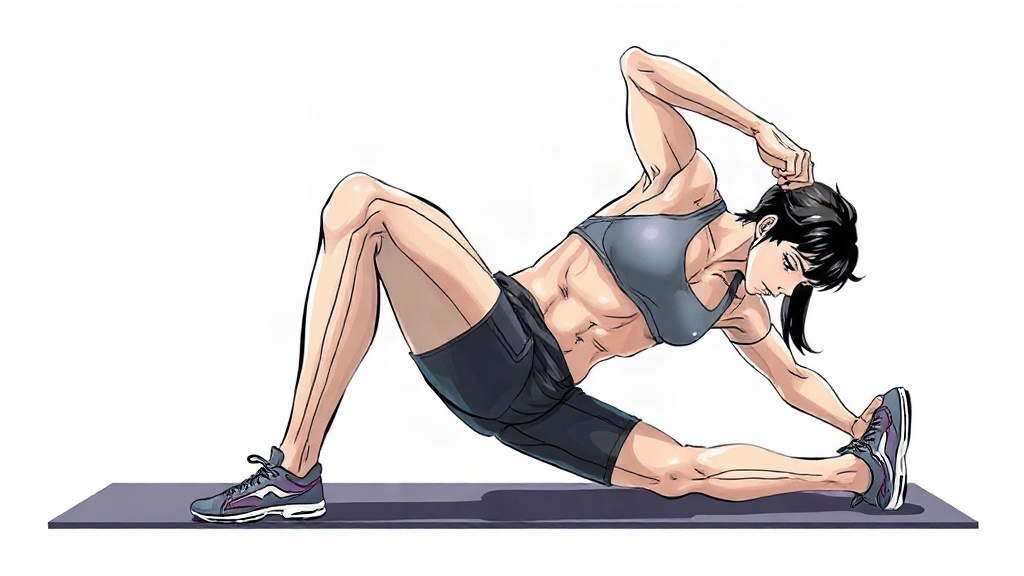
Staying active is one of the few health strategies that works at every age, and recent headlines keep proving it. A retiree in Jerusalem recently shared that regular exercise is the secret to staying healthy well into later life. Meanwhile, a local fitness segment is encouraging holiday cooks to squeeze in movement while the Thanksgiving turkey roasts. Different stories, same message: small, consistent effort adds up.
Why Exercise Matters More as You Age
Muscle mass, bone density, and balance all decline gradually over the decades if they aren't challenged. Exercise slows that slide. Strength training helps preserve muscle and protect joints, while weight-bearing activity supports bone health. Balance work lowers the risk of falls, one of the leading threats to independence in older adults.
The benefits go well beyond the physical. Regular movement is linked to better sleep, sharper memory, improved mood, and a lower risk of heart disease, type 2 diabetes, and certain cancers. For many retirees, a daily walk or a standing class at the gym also provides something just as valuable: routine and social connection.
What the Guidelines Recommend
Major health organizations, including the World Health Organization, generally recommend that adults aim for at least 150 minutes of moderate-intensity aerobic activity each week, or 75 minutes of vigorous activity. Muscle-strengthening work should be added on two or more days. Older adults are encouraged to include balance and mobility exercises as well.
That may sound like a lot, but it breaks down easily:
- A brisk 30-minute walk, five days a week - Two short strength sessions using bodyweight, bands, or dumbbells - A few minutes of balance practice, such as standing on one leg while brushing your teeth
You don't need to hit these numbers overnight. Research consistently shows that even modest activity delivers meaningful benefits compared with doing nothing at all.
Make Movement Fit Into Busy Days
The holiday season is a perfect example of when routines fall apart. Between travel, cooking, and family gatherings, the gym often takes a back seat. That's why the idea of exercising in the kitchen is so appealing. While a turkey roasts, you have long stretches of idle time that can double as mini workouts.
Try a few simple options:
- Counter push-ups: Place your hands on the edge of a sturdy countertop and perform sets of 10 to 15. - Bodyweight squats: Do a set every time you check the oven or stir a pot. - Calf raises: Rise onto your toes while chopping or waiting for water to boil. - Lunges or marching in place: Easy ways to raise your heart rate between tasks. - Gentle stretching: Open up tight shoulders and hips after hours of standing.
This approach is sometimes called "exercise snacking," and it's gaining attention among researchers. Short bursts of activity spread through the day can improve cardiovascular fitness and blood sugar control, especially for people who sit for long periods.
Tips for Building a Habit That Lasts
Consistency beats intensity. The retiree who walks every morning for decades will usually outperform the person who trains hard for three weeks and quits. A few principles help:
1. Choose activities you enjoy. Dancing, swimming, gardening, cycling, and group classes all count. 2. Schedule it. Treat exercise like any other appointment. 3. Start small and progress gradually. Add time or resistance slowly to avoid injury. 4. Find a partner. Accountability makes it easier to show up. 5. Talk to your doctor. This matters especially if you have a chronic condition or haven't been active in a while.
Movement Is a Long-Term Investment
Whether you're in your twenties or well into retirement, the payoff from regular exercise compounds over time. It supports independence, protects against chronic disease, and makes everyday life, from carrying groceries to playing with grandchildren, easier and more enjoyable.
So this holiday season, go ahead and enjoy the feast. Just don't wait for a gym membership or a new year to start moving. A few squats by the stove today could be the first step toward the kind of healthy, active later life that so many people are now proving is possible.