TRAINING NOTES / FIELD GUIDE
Weightlifting's Big Moment: Community Support, Record Crowds, and Essential Safety Lessons for Lifters
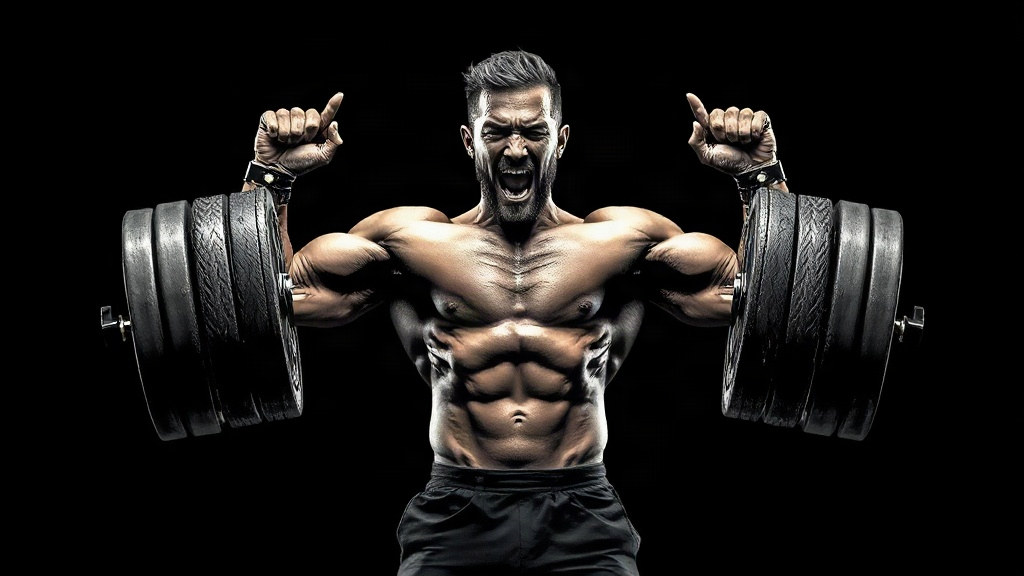
Weightlifting is having a moment that goes well beyond the platform. Recent headlines show a sport that is growing in popularity, drawing big crowds to competitions, and relying on community support to keep athletes moving forward. They also include a few lessons about safety that every lifter can use.
Community Support Keeps Athletes Competing
One of the most encouraging recent stories comes from Malaysia, where MSTF stepped in with RM5,000 in financial aid for amputee weightlifter Hafizuddin. Para athletes often face costs that able-bodied competitors never think about: specialized equipment, adapted training setups, travel, and medical needs. A contribution like this can decide whether an athlete can keep training at a high level.
It also shows how much weightlifting depends on its surrounding community. Behind nearly every competitor is a network of coaches, gym owners, sponsors, and fans. If you want to support the sport, you don't need to be a major donor. Sharing an athlete's fundraiser, volunteering at a local meet, or sponsoring a lifter's entry fee all help.
Big Events Are Bringing Lifters Together
On the competition side, an upcoming USA Weightlifting event is expected to bring roughly 1,500 athletes to Bloomington. That number says a lot about where the sport stands today. A few years ago, a turnout like that would have been unusual outside the biggest national championships.
Several trends explain the growth:
- Crossover from fitness culture. Many people who started with group training or strength-focused gyms are now curious about the snatch and the clean and jerk. - Accessible coaching. Online programming, video analysis, and local clubs make technique instruction easier to find. - Inclusive competition formats. Youth, masters, and para divisions give lifters of different ages and abilities a place to compete.
Events of this size also bring an economic boost to host cities, filling hotels and restaurants and putting the sport in front of new spectators.
If You're Heading to Your First Meet
A large event can feel intimidating, but a little preparation goes a long way:
1. Know your openers. Choose starting weights you can hit comfortably, even on a bad day. 2. Practice your warm-up timing. Meets run on a schedule, and you need to be ready when your name is called. 3. Pack smart. Bring lifting shoes, a belt, wrist wraps, chalk if allowed, snacks, water, and a backup singlet. 4. Ask questions. Officials, coaches, and fellow lifters are generally happy to help newcomers.
A Safety Reminder from the Highway
Not every recent weightlifting headline is uplifting. In Beaver County, a vehicle was damaged after driving over a weightlifting bar that had fallen onto a highway. Thankfully, the story is a cautionary one rather than a tragedy, but it highlights a risk that rarely gets discussed.
Barbells are heavy, rigid, and unforgiving. A loose bar in a truck bed, on a roof rack, or poorly stowed in a trailer can become a serious hazard to everyone on the road. Anyone transporting equipment to a gym, a garage setup, or a competition should follow some basic rules:
- Secure bars and plates with ratchet straps or tie-downs, not just gravity. - Keep equipment inside the cabin or a closed cargo area whenever possible. - Double-check your load before you pull out, and again after a short distance. - Never assume a tailgate or a rubber mat is enough to hold heavy gear in place.
What These Stories Say About the Sport
Taken together, these stories show the full picture of weightlifting today. It is a sport that rallies around its athletes in difficult circumstances, fills arenas with competitors of all backgrounds, and still demands respect for the physical reality of heavy iron, both inside the gym and on the way there.
Whether you're a seasoned competitor, a recreational lifter, or someone just starting to think about picking up a barbell, there has rarely been a better time to get involved. Find a local club, learn the fundamentals from a qualified coach, and consider supporting the athletes who are working to make the sport stronger for everyone.