TRAINING NOTES / FIELD GUIDE
Weightlifting News and Lessons: Athlete Leadership, World Championships, and Training Tips for Every Lifter
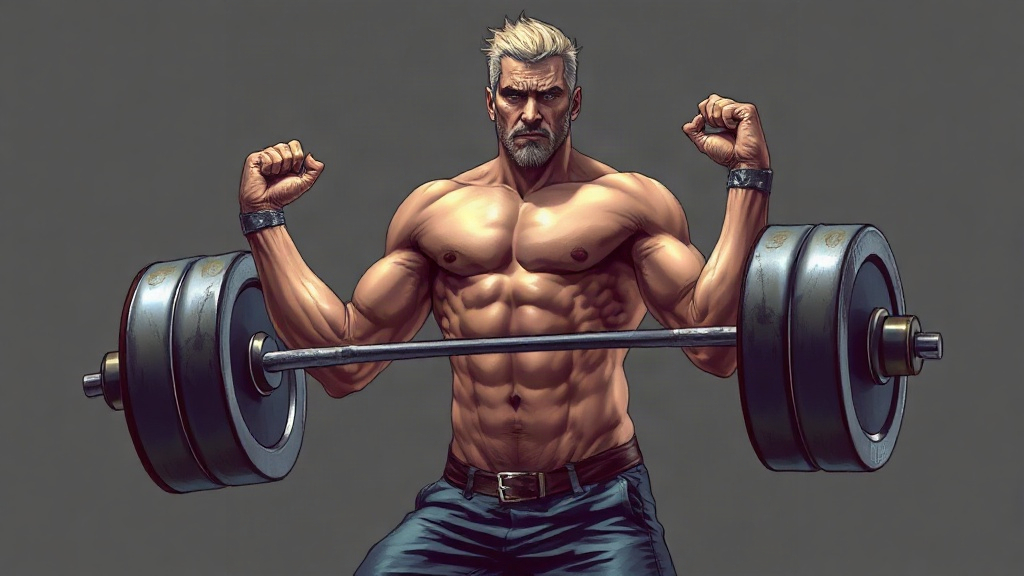
Weightlifting rarely sits still. Between world championship cycles, rule changes, and a growing crowd of recreational lifters, the sport keeps finding new audiences. Recent headlines show its competitive, human, and community sides, and they offer useful lessons for anyone who loves the barbell.
Athletes Are Gaining a Stronger Voice
One of the most encouraging recent stories comes from Britain, where Sarah Davies has been elected to the British Olympic Association Athletes' Commission, as reported by British Weight Lifting. Athlete commissions matter because they put people who understand the daily grind of training, funding, and competition in the room where decisions are made.
For weightlifting, a sport that has often fought for visibility and resources, having a lifter represent athletes at that level is significant. Topics such as mental health support, fair selection policies, anti-doping education, and post-career pathways all benefit from a competitor's perspective. It also shows younger lifters that success on the platform can lead to influence off it.
World Championships Keep the Spotlight on the Platform
The recent IWF World Championships gave fans another reminder of why the sport is so compelling. Few events in sport are as simple to understand and as dramatic to watch: a bar, a platform, and three attempts in the snatch and three in the clean and jerk. Add the strategy of opening weights, the pressure of the final lift, and the way a single missed attempt can reshape the podium, and you have pure sporting theatre.
For newer fans, following a major championship is a great way to learn the sport's rhythm. Watch how lifters:
- Choose conservative openers to secure a total - Raise the bar in smaller increments when the competition is tight - Manage warm-up timing so they peak at the right moment
Because medals are decided by combined totals within bodyweight categories, consistency often matters as much as raw strength.
Resilience Beyond the Podium
Not every story from the sport is about records. News of Malaysian weightlifting champion Roslin losing an arm after a motorbike crash, reported by Al Jazeera, drew sympathy from across the global lifting community. It is a sobering reminder that athletes are people first, and that their lives outside the gym carry real risks.
The response from fans and fellow athletes also highlights something special about strength sports: the community tends to rally around its own. Whatever the road ahead looks like, the discipline, patience, and mental toughness built through years of lifting are qualities that extend far beyond competition.
What Recreational Lifters Can Take Away
You don't need to chase a national title to benefit from the way elite lifters approach training. A few principles are worth borrowing.
Prioritize technique over load. Olympic lifts reward speed, timing, and positioning. Filming your sets and reviewing bar path can fix problems before they become injuries.
Build mobility into every session. Ankle, hip, thoracic, and shoulder mobility directly affect your ability to catch a snatch or hold a front rack position comfortably.
Respect recovery. Sleep, protein intake, and planned deload weeks are not optional extras. Most elite programs are built around managing fatigue as carefully as they manage intensity.
Train with purpose, not ego. Progress comes from well-planned percentages and gradual overload, not from testing your max every week.
Seek out community. Whether it's a local club, a coach, or an online training group, support makes consistency easier and keeps the sport enjoyable.
Why the Sport Keeps Growing
Weightlifting appeals to a wide range of people because it blends athleticism, technical skill, and measurable progress. A lifter can see improvement in kilograms on the bar, and that clarity is deeply motivating. Increased coverage of championships, stronger athlete representation, and more accessible coaching resources are all helping the sport reach beyond its traditional base.
As athletes step into leadership roles and the community continues to show solidarity in difficult moments, weightlifting is proving that it is about more than lifting heavy things. It is about discipline, perspective, and the shared belief that strength, in every sense, can be built over time.