TRAINING NOTES / FIELD GUIDE
Smart Fitness Gear Buying Guide: What to Buy (and Skip) During Black Friday Sales
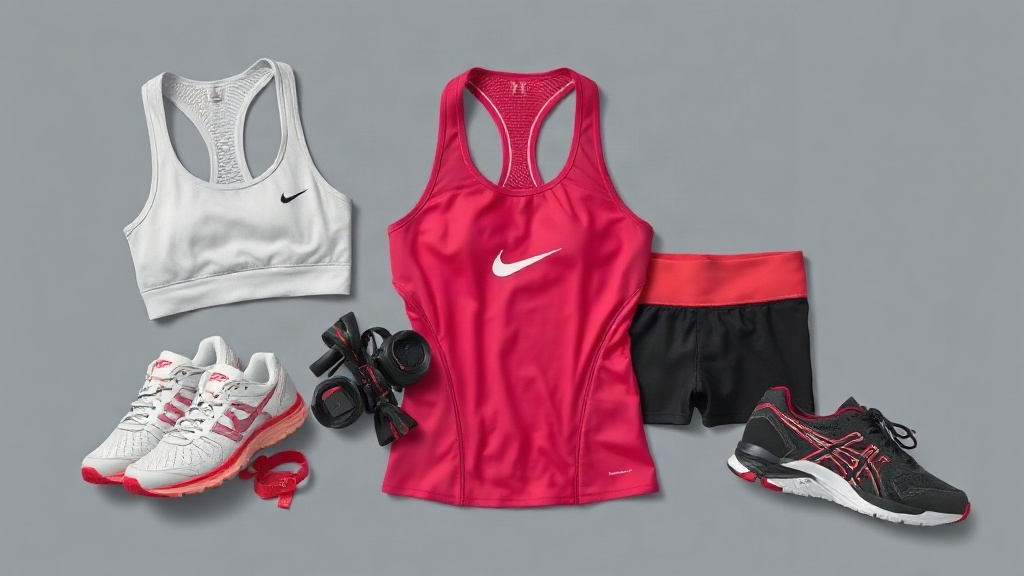
Fitness gear has never been easier to find, and it has never been easier to overspend on. With Black Friday and holiday sales about to peak, now is a good time to separate the equipment that earns its place in your routine from the gadgets that end up as expensive coat racks.
Recent coverage points to a common theme. Athletes, trainers, and home gym builders keep recommending the same simple, durable items, and they tend to be skeptical of flashy extras.
What Professionals Actually Rely On
Roundups of trainer and athlete favorites tend to read like a list of basics. Supportive training shoes, a reliable pair of adjustable dumbbells, resistance bands, a foam roller or massage tool, and moisture-wicking apparel come up again and again. These items work for nearly any goal, whether you're building strength, training for a race, or just trying to stay consistent.
The logic is simple. Pros spend long hours training, so they care about comfort, durability, and recovery more than novelty. If a product makes it easier to show up and finish a session, it earns a spot in the bag.
The Home Gym Splurge Question
Home gym builds keep growing in popularity, and first-hand accounts from people who have spent thousands on custom setups offer a useful lesson: spend heavily on the pieces you touch every day, and save on everything else.
In practice, that usually means:
- A quality adjustable bench. A wobbly bench is a safety issue, not just an annoyance. - A sturdy rack or squat stand. This is the backbone of most strength setups and rarely needs upgrading once you buy a good one. - Flooring. Rubber mats protect your joints, your equipment, and your actual floor. - A barbell and plates you'll keep for years. Good steel lasts decades.
Gear that tends to disappoint includes novelty attachments, overly complicated multi-function machines, and accessories bought on impulse. If you can't picture using something at least twice a week, it probably isn't worth the money.
Making Sales Work in Your Favor
Seasonal sales, including the big retail events that run throughout the year, can cut serious money from the price of fitness equipment. Deals on treadmills, kettlebells, smartwatches, and workout apparel appear constantly, but a discount is only a bargain if you were going to buy the item anyway.
A few habits help you shop smarter:
1. Make a short list before browsing. Decide what you need first so urgency banners don't decide for you. 2. Check price history. Many "limited-time" prices are close to what the item sells for all year. 3. Read the return policy. Bulky equipment can be expensive to send back, so know the terms before you buy. 4. Compare warranty coverage. For machines with motors or electronics, a longer warranty is often worth a slightly higher price.
Matching Gear to Your Goals
The best equipment is the equipment that fits your actual life. If you train in a small apartment, compact tools like adjustable dumbbells, a suspension trainer, and a set of loop bands deliver far more value than a bulky machine. If you're a runner, investing in properly fitted shoes and a few pairs of quality socks matters more than any gadget.
Wearable tech deserves a similar reality check. Heart rate, sleep, and recovery data can be useful, but only if you act on it. A tracker you ignore after two weeks is money wasted, while one that nudges you toward consistent habits can be a real motivator.
Quality Over Quantity
The smartest approach right now is to build a small, dependable kit and add to it gradually. Start with the essentials that support your most frequent workouts. Upgrade only when you've outgrown something, not because a new product launched or a banner promised a huge markdown.
Gear should lower the barrier to training, not become a project in itself. Buy durable, buy deliberately, and let your routine, not the marketing, tell you what to add next.