TRAINING NOTES / FIELD GUIDE
Should You Wear Heels to Yoga? What Your Feet Really Need on the Mat
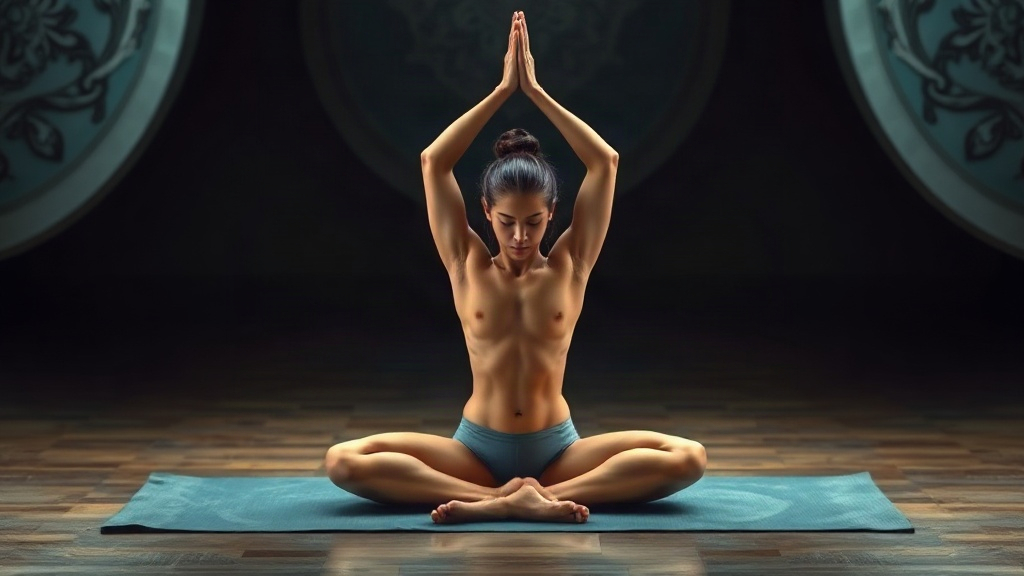
Yoga has a way of showing up in unexpected places, and the latest conversation is about footwear. Vogue recently asked whether we should start wearing heels to yoga, with Lady Gaga weighing in on the "yes" side. It's a playful headline, but it raises a useful question: what does your body actually need from a yoga practice, and how much does what you wear (or don't wear) matter?
Why Yoga Is Traditionally Barefoot
Most yoga styles are practiced barefoot for good reason. Your feet contain dozens of small muscles, many tendons, and a dense network of nerve endings. Bare feet can spread, grip, and respond to the mat, which helps with balance poses like tree, warrior III, and eagle.
Going barefoot also builds the intrinsic foot muscles that cushioned shoes tend to leave underused. Over time, that can improve stability through the ankles, knees, and hips. Many practitioners find that stronger feet change how they stand and walk off the mat, too.
So, What About Heels?
A heel raises the back of the foot and shifts weight toward the forehead of the foot, which changes your alignment. In a standard practice, that works against poses that depend on a grounded, even stance. Mountain pose, chair pose, and downward-facing dog all assume the heel can reach toward the floor.
That said, the idea of wearing heels is better seen as a creative, expressive twist than a training recommendation. Fitness and fashion keep overlapping, and playful experiments can make movement feel less intimidating. If you want to try something theatrical, treat it as a dance-inspired exercise rather than a replacement for a regular practice. And if you spend long hours in heels during your day, yoga may be the best counterbalance you can find.
Yoga as a Counterbalance to Modern Life
Regular heel wearers, desk workers, and frequent commuters often share the same complaints: tight calves, stiff hips, and sore lower backs. A few targeted poses can help:
- Downward-facing dog lengthens the calves, hamstrings, and the arches of the feet. - Low lunge opens the hip flexors, which shorten after hours of sitting. - Garland pose (deep squat) improves ankle mobility and hip flexibility. - Legs-up-the-wall gives tired feet and legs a reset at the end of the day. - Toe squat gently stretches the soles, though it should be approached slowly.
Even ten minutes of this sequence can make a noticeable difference in how your lower body feels.
Choosing What to Wear for Practice
Comfort and freedom of movement matter more than any particular look. Choose breathable, stretchy fabrics that stay in place when you fold forward or invert. Leggings, shorts, and fitted tops all work well, as long as you can move without constantly adjusting.
If you dislike practicing barefoot, grip socks are a sensible option, especially in colder studios or if you have a medical reason to keep your feet covered. They offer traction while still letting your toes move. Your mat matters, too. A mat with solid grip and moderate cushioning protects your wrists and knees without making balance poses feel unstable.
Making Practice Personal
The most encouraging thing about the current wave of celebrity and fashion attention is that yoga is being treated as more flexible and personal than ever. You don't need a perfect outfit, a flawless pose, or a rigid routine to benefit. Beginners can start with short home sessions, while experienced practitioners can explore styles like restorative, vinyasa, yin, or Iyengar to match their energy on a given day.
Consistency beats intensity. A short daily practice focused on breath, mobility, and balance does more for long-term wellbeing than an occasional ambitious class. If a bit of glamour or humor gets you onto the mat, that's a win. Just keep the foundation simple: steady breathing, grounded feet, and attention to how your body feels in each pose.