Pilates keeps growing as a go-to practice for people seeking stronger cores, better posture, and low-impact conditioning. Whether you’re drawn to mat classes, reformer sessions, or short online workouts, Pilates offers adaptations for every fitness level and life stage — from desk workers with tight hips to athletes looking for balanced movement.
Why Pilates works
Pilates trains the entire body with an emphasis on core stability, spinal mobility, breath control, and precise movement patterns.
The method reduces compensatory movement, improves alignment, and builds endurance in deep stabilizing muscles that traditional cardio or weight training might miss. Because it’s low-impact and highly modifiable, Pilates is commonly used for rehabilitation, injury prevention, and long-term movement quality.
Popular formats and equipment
– Mat Pilates: Portable and accessible, mat sessions use body weight and small props like resistance bands, magic circles, or foam rollers. Great for home practice and foundational principles.
– Reformer Pilates: The reformer adds springs and a carriage to create variable resistance, making it effective for strength-building and controlled mobility work.
– Cadillac, Wunda Chair, and other apparatus: These tools expand exercise options for advanced mobility, balance, and resistance training.
– Hybrid classes: Many studios blend Pilates with barre, yoga, strength training, or functional fitness to appeal to diverse goals.
Common benefits people notice
– Stronger, more resilient core and improved posture
– Better balance and reduced risk of falls
– Decreased chronic back pain when combined with targeted rehabilitation
– Increased joint mobility and functional movement patterns
– Enhanced body awareness that translates to other sports and daily activities
How to get started and progress safely
– Look for qualified instructors: Certifications from reputable training programs ensure instructors understand biomechanics and progressions. Ask about experience with rehab, pre/postnatal clients, or athletic conditioning if it matters to you.
– Start conservatively: Two to three sessions per week yields noticeable improvements in control and flexibility for many people.
Short daily mat routines are also effective for habit-building.
– Communicate health concerns: If you have recent injuries, chronic pain, or are pregnant, share details so your instructor can provide appropriate modifications.
– Focus on fundamentals: Learn neutral spine, pelvic stability, shoulder mechanics, and the breath-movement connection before attempting advanced repertoire.
Common mistakes to avoid
– Rushing repetitions: Pilates emphasizes quality over quantity; slow, controlled movement builds coordination and muscle recruitment.
– Neglecting breath: Proper breathing supports pelvic floor and core engagement and helps coordinate movement.
– Skipping progression: Jumping into advanced reformer exercises without mastering basics increases injury risk.
– Over-relying on equipment: Tools are helpful, but true control comes from internal cues and consistent practice.
Trends shaping how people practice
Many practitioners mix studio sessions with on-demand classes and apps for convenience.
Wearable tech and movement-tracking tools are becoming more common for people who want data-driven feedback on posture, range of motion, and exercise consistency. Hybrid classes that combine Pilates principles with strength or mobility work appeal to those seeking time-efficient, well-rounded sessions.
Quick sample beginner tips
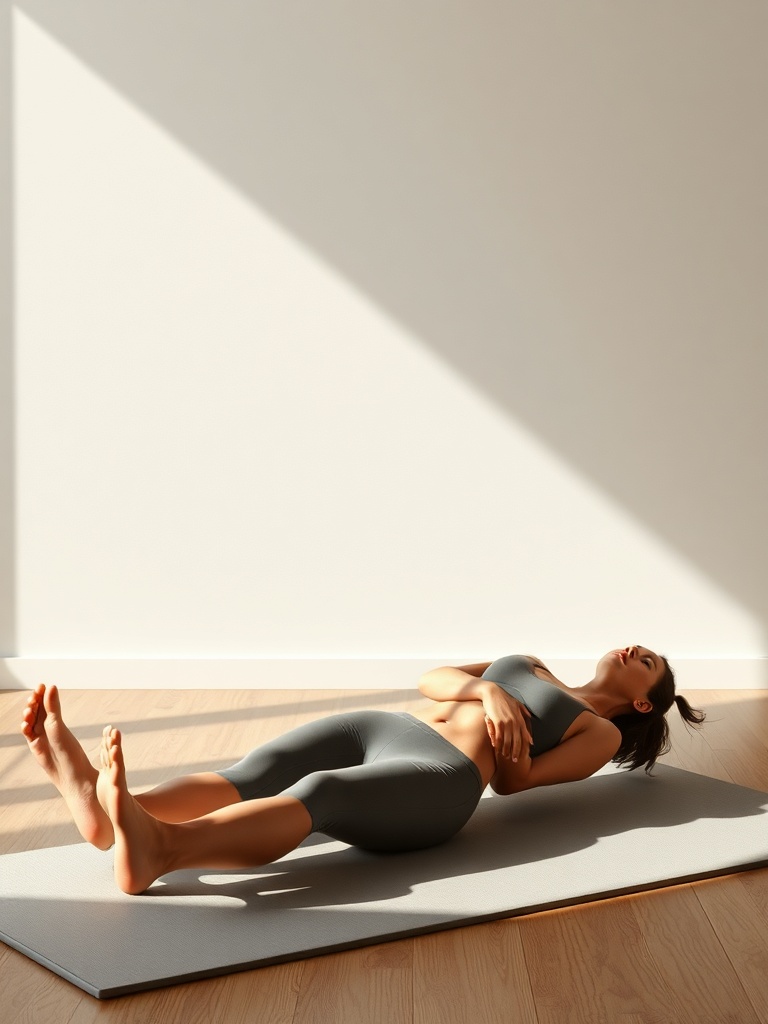
– Neutral spine check: Lie on your back with knees bent and feet hip-width; find the natural curve of your lower back and practice tiny pelvic tilts to sense control.
– Breath pattern: Inhale to prepare, exhale to initiate controlled movement; aim for lateral rib expansion rather than chest breathing.
– Scapular stability: Practice shoulder blade squeezes and gentle protractions to improve upper-body support during arm work.
Pilates adapts to many goals — rehabilitation, athletic cross-training, or mindful fitness. Try a foundation class or short private session to establish safe technique, then build a routine that supports consistent progress and long-term movement health.