TRAINING NOTES / FIELD GUIDE
Marathon Tips for Late Fall Racing: Crowd Energy, Cold-Weather Strategy, and Recovery
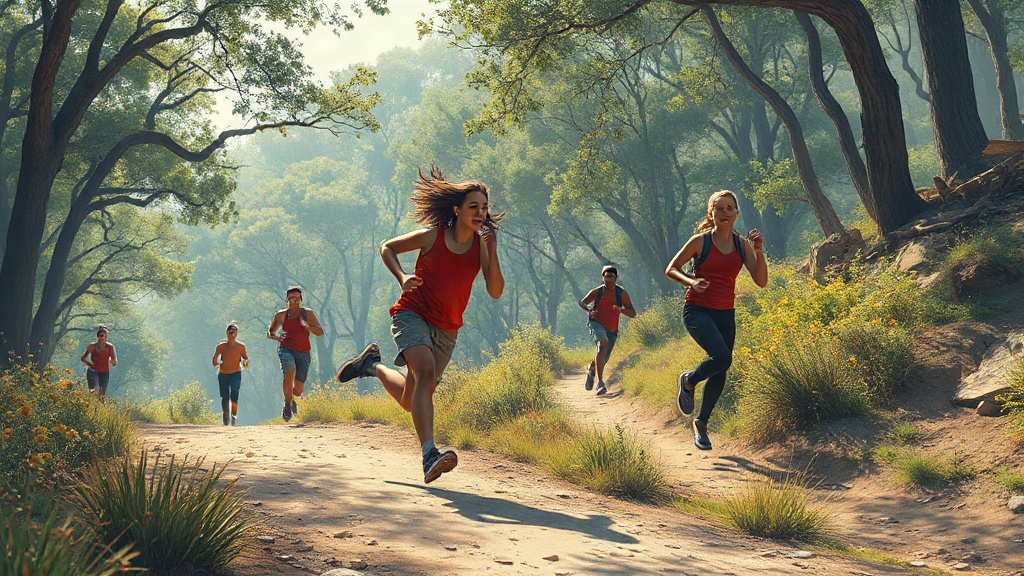
Marathon weekend in Philadelphia delivered the kind of scene that reminds everyone why road racing is more than a stopwatch exercise. Spectators lined the course with handmade signs, cheered for strangers by name, and even offered Jell-O shots to runners willing to take a detour from their pacing plan. It's a perfect snapshot of what makes late-season racing special: the effort is individual, but the experience is communal.
Why Crowd Support Matters More Than You Think
Anyone who has run a long race knows the stretch where the legs go heavy and the mind starts negotiating. That's where a stranger holding a sign reading "You paid to do this" can change the next mile entirely.
Research on endurance performance has long pointed to the role of perceived effort. When your brain is distracted, encouraged, or amused, the same pace can feel easier. Crowds give you all three. A loud corner, a high-five line, or a well-timed joke pulls attention outward, and that shift can carry you through a rough patch.
If you're racing soon, plan for it:
- Write your name or a mantra on your shirt or arm. Spectators love to call out names, and hearing yours is a surprisingly strong boost. - Save your energy for key spectator zones. Know where the biggest crowds gather and use them as mental checkpoints. - Say thank you. Acknowledging volunteers and fans builds a positive loop that helps you as much as them.
Running in Late Fall: Make the Cold Work for You
Late November racing brings its own conditions. Cooler temperatures are a gift for marathoners, since heat is far more damaging to pace than chill. But cold, damp mornings come with their own challenges.
Dress for mile three, not the start line. You'll warm up quickly, so wear layers you can shed. Throwaway gloves and an old long-sleeve shirt are a classic strategy. Most races donate discarded clothing afterward.
Warm up indoors when possible. Cold muscles don't love sudden effort. Leg swings, light skips, and a few minutes of easy jogging in a sheltered spot can help you start the race ready rather than stiff.
Don't skip hydration. Cold weather dulls thirst, but you still lose fluid through sweat and breathing. Sip steadily during runs and races even when you don't feel like it.
Watch your footing. Wet leaves, painted road markings, and early-morning frost can all turn slick. Shorten your stride slightly on questionable surfaces.
Recovery Is Part of the Race
The finish line photo is the highlight, but what happens in the following days determines how quickly you bounce back. After a marathon or hard half, the smartest approach is patience.
Walk the day after, eat real meals with plenty of carbohydrates and protein, and sleep as much as your schedule allows. Most coaches suggest an easy week or two before returning to structured training, and many recommend roughly one easy day for every mile raced as a loose guideline. That doesn't mean zero movement, just low intensity.
Pay attention to the mental side too. Post-race blues are common, especially after months of focused training. Setting a small, enjoyable goal, like a casual group run or a local turkey trot, keeps momentum without the pressure.
Turning One Race Into a Running Habit
Big events tend to spark new runners. Watching thousands of people of every age, shape, and pace cross a finish line makes the sport feel accessible, because it is. You don't need elite speed to belong.
If a race weekend has you itching to lace up, start simple:
1. Begin with run-walk intervals. One minute running, one minute walking, repeated for twenty to thirty minutes, builds fitness without overloading your joints. 2. Invest in proper shoes. A specialty running store can assess your gait and recommend a fit. It's the single most useful purchase a beginner can make. 3. Find a group. Local clubs and free community runs offer accountability and, often, post-run coffee. 4. Pick a goal race. A 5K a couple of months out gives your training a purpose.
The Real Finish Line
The most memorable moments in running rarely involve a personal best. They involve a stranger's sign, a shared grimace at mile twenty-two, or a cheer that shows up exactly when you need it. Whether you're chasing a qualifying time or simply trying to finish, the sport rewards showing up, and there's almost always someone on the curb ready to remind you that you belong there.