TRAINING NOTES / FIELD GUIDE
Heart Health Now: Rising Heart Attacks in Younger Adults, Warning Signs, Strength Training, Sleep, and Prevention Tips
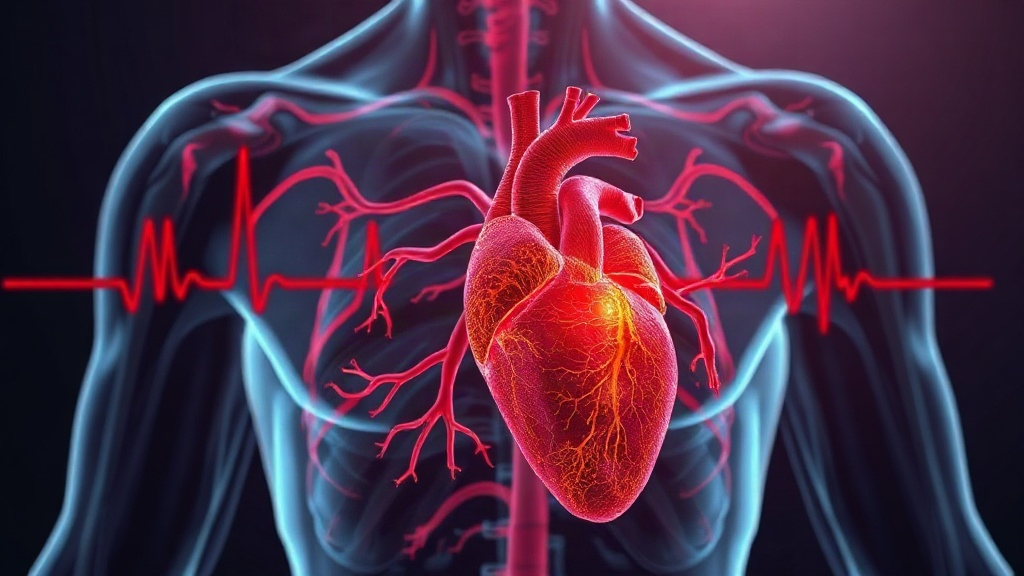
Heart health is getting fresh attention, and for good reason. Recent coverage points to a shift in who is affected by heart disease, how people can protect themselves, and how treatment keeps evolving. Here is what matters most right now.
Heart Attacks Are Showing Up Earlier
One of the most discussed trends is the rise in heart attacks among adults under 50. Cardiologists have long associated cardiac events with older age, but many clinicians now report seeing more patients in their 30s and 40s.
Several contributors tend to come up:
- Rising rates of obesity, type 2 diabetes, and high blood pressure in younger adults - Chronic stress and long working hours - Poor sleep and sedentary routines - Vaping and smoking, along with heavy alcohol use - Family history that goes unnoticed because no one has been screened
Many younger adults also assume they are too young for heart problems, so they skip routine checkups. Cholesterol, blood pressure, and blood sugar can drift into unhealthy territory silently for years.
Warning Signs Worth Taking Seriously
Chest pressure is the classic symptom, but it is not the only one. Warning signs that are easy to dismiss include:
- Unusual shortness of breath during everyday activity - Pain or tightness spreading to the jaw, neck, back, or arm - Cold sweats, nausea, or lightheadedness - Fatigue that is out of proportion to your day - Discomfort that comes and goes
Women in particular are more likely to experience subtle or atypical symptoms, which can delay care. If something feels off and does not resolve quickly, call emergency services rather than waiting it out.
Why Lifting Weights Deserves a Place in Your Routine
For years, cardio got nearly all the credit for heart protection. Growing evidence suggests strength training deserves equal billing. Building muscle improves how the body handles blood sugar, supports a healthier body composition, and can help lower blood pressure over time. Stronger muscles also make daily movement easier, which makes it more likely you will stay active as you age.
You do not need a heavy barbell program to benefit. Two or three sessions a week using dumbbells, resistance bands, or bodyweight exercises can make a difference. Pairing strength work with moderate aerobic activity, such as brisk walking, cycling, or swimming, covers the bases most heart-health guidelines recommend.
Don't Overlook Your Nighttime Habits
What you do after dark can matter as much as what you do at the gym. Sleep is increasingly recognized as a pillar of cardiovascular health, alongside diet and exercise. Short or fragmented sleep is linked with higher blood pressure, inflammation, and greater risk of heart disease.
Common culprits include late-night screen time, irregular bedtimes, heavy meals or alcohol close to sleep, and untreated sleep apnea. Loud snoring, gasping at night, and heavy daytime sleepiness are all worth bringing up with your doctor, since sleep apnea strains the heart and is very treatable.
A few simple adjustments help:
- Keep a consistent sleep and wake schedule - Finish eating a few hours before bed - Dim lights and put devices away an hour before sleep - Keep the bedroom cool, dark, and quiet
Treatment Is Becoming Less Invasive
There is encouraging news on the care side too. Interventional cardiology continues to advance, with catheter-based procedures that repair or replace heart valves, open blocked arteries, and treat structural problems without traditional open-heart surgery. For many patients, that means smaller incisions, shorter hospital stays, and quicker recovery. Better imaging and newer devices are also helping specialists tailor treatment more precisely.
Practical Steps You Can Take Today
Prevention remains the most powerful tool, and it starts with knowing your numbers. Ask your doctor about screening for blood pressure, cholesterol, and blood sugar, especially if heart disease runs in your family. Then focus on the basics:
1. Move your body most days, and include strength training 2. Eat more vegetables, fruits, whole grains, legumes, and healthy fats 3. Prioritize seven to nine hours of quality sleep 4. Avoid tobacco and limit alcohol 5. Find sustainable ways to manage stress
Small, consistent habits add up. Heart disease is no longer something to worry about only later in life, and the choices you make now can protect your heart for decades. If you have symptoms or risk factors, a conversation with a healthcare professional is the best next step.