TRAINING NOTES / FIELD GUIDE
Early Black Friday Fitness Tracker Deals: How to Shop Smart and Build Habits That Last
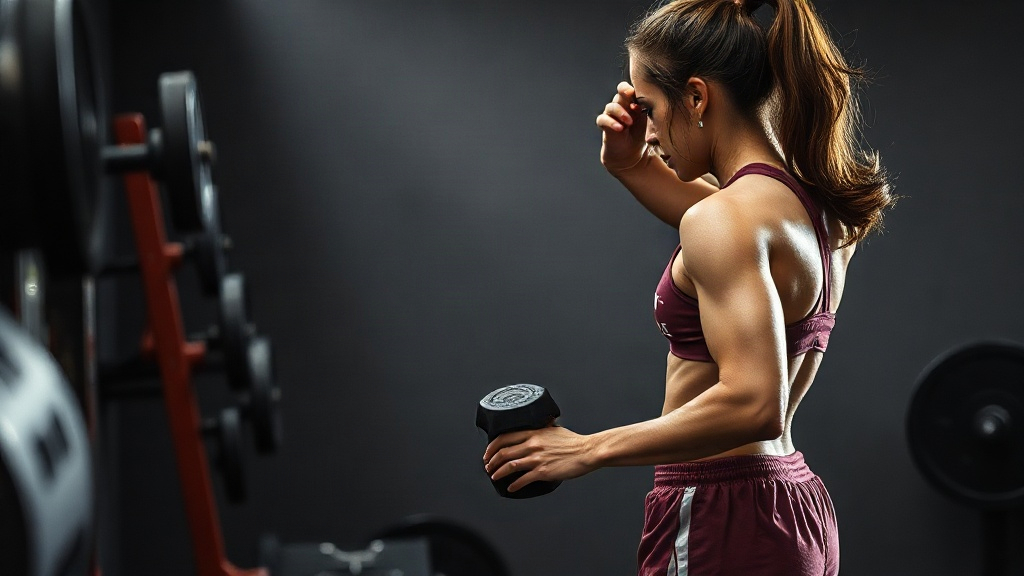
Every November, fitness and shopping collide. Early Black Friday sales on smartwatches and fitness trackers are already rolling out, and they arrive just as many people start thinking about their next round of health goals. But a discounted device only helps if it fits your habits, and the gear is only one piece of the picture. Where you live, how you recover, and how you manage your body all shape results.
How to Shop Smart for a Fitness Tracker
A steep markdown is tempting, but the best deal is the one on a device you'll actually wear every day. Before you add anything to your cart, consider these points:
- Your main goal. Runners and cyclists benefit from accurate GPS and heart rate tracking. Gym-goers may prefer strength workout logging, while beginners often do better with simple step, sleep, and activity tracking. - Battery life. A watch that needs charging daily often ends up in a drawer. Slim bands can run for a week or more, while full-featured smartwatches usually need charging every day or two. - Ecosystem compatibility. Make sure the device syncs well with your phone and the apps you already use. - Subscription costs. Some trackers lock deeper analytics, coaching, or recovery insights behind a monthly fee. Factor that into the real price. - Comfort. Sleep tracking only works if you can stand wearing the device overnight.
Older-generation models are often the sweet spot during sales. Last season's flagship typically offers nearly the same core tracking as the newest release at a much lower price.
Data Is Useful, but Don't Obey It Blindly
Wearables are excellent at showing trends. Resting heart rate, sleep duration, and weekly activity totals can reveal patterns you'd never notice on your own. They are less reliable as exact measurements. Calorie burn estimates and sleep stage breakdowns, for example, can vary noticeably from one device to the next.
Treat the numbers as a conversation starter, not a verdict. If your readiness score is low but you feel great, trust your body. If you feel run down and the data agrees, take it seriously.
What Elite Athletes Teach Us About Fitness Management
Even the world's best athletes have to balance performance and physical limits. Tennis star Carlos Alcaraz recently pushed through questions about his physical condition to claim another win at the ATP Finals, a reminder that fitness isn't just about peak strength or endurance. It's about managing fatigue, reading warning signs, and staying ready when it counts.
You don't need a pro schedule to apply the lesson. Build recovery into your routine with these habits:
- Schedule at least one or two lighter days each week. - Prioritize seven to nine hours of sleep. - Eat enough protein and stay hydrated. - Address minor aches early rather than training through them.
Your Environment Matters More Than You Think
Local communities are also asking whether they're set up to support healthy living. Reports on places like Greenville County have raised the question of whether neighborhoods are truly built for fitness, with access to trails, parks, sidewalks, and affordable gyms all playing a role.
It's worth looking at your own surroundings. A walkable route, a nearby park, or a friendly local gym can do more for consistency than any gadget. If your area lacks options, home workouts with a few resistance bands or dumbbells can fill the gap.
Make the Habit Stick
Whether you buy a new tracker or stick with what you have, the formula for lasting results stays the same:
1. Start small. Ten to twenty minutes of daily movement beats an ambitious plan you abandon in two weeks. 2. Mix it up. Combine strength training, cardio, and mobility work for balanced fitness. 3. Track progress simply. Pick two or three metrics, such as weekly workouts, average sleep, or a personal best, and review them regularly. 4. Find accountability. A workout partner, a class, or a friendly step challenge can keep motivation high when the weather turns cold.
Seasonal sales may get you a better watch for less, but consistency is what turns that watch into results. Choose tools that suit your lifestyle, pay attention to what your body is telling you, and use your surroundings to your advantage. Those small, repeatable choices matter far more than any discount.