Electric bikes are reshaping how people move through cities and suburbs, making cycling more accessible, practical, and fun for commuters, errands, and longer recreational rides. Whether you’re curious about your first e-bike or looking to upgrade, understanding the essentials will help you choose wisely and get the most from every ride.
Why e-bikes work for commuting
E-bikes remove many barriers that keep people from cycling: hills feel easier, sweat is reduced on the way to work, and ranges are extended without excessive effort. That makes them ideal for mixed-mode trips that include public transit or for replacing short car trips. The extra power also opens up cargo, family, and delivery uses that traditional bikes can struggle to handle.
Choosing the right e-bike
– Motor type: Hub motors are simple and cost-effective; mid-drive motors offer better balance and more efficient hill-climbing. Test-ride both styles to feel the difference.
– Assist system: Pedal-assist provides power only while pedaling and feels most natural for longer commutes. Throttle-controlled models allow motor power without pedaling, useful for short bursts but often heavier and less efficient.
– Battery and range: Look for realistic range figures that reflect mixed urban riding, stop-and-go traffic, and any hills on your route. Battery capacity, motor efficiency, rider weight, and cargo all affect real-world range.
– Frame and fit: Commuter, folding, cargo, and step-through frames each serve different needs. Prioritize a comfortable upright position, easy mounting/dismounting, and accessories compatibility (racks, fenders, lights).
– Weight and portability: E-bikes are heavier than regular bikes; if you need to carry your bike up stairs or store it in tight spaces, check weight and folding options.
Legal and local considerations
E-bike classifications, speed limits, and helmet requirements vary by jurisdiction. Check local regulations for allowed bike paths, speed thresholds, and licensing or insurance rules. Many places permit lower-powered e-bikes on bike lanes while restricting faster models to roads.
Maintenance basics
– Battery care: Charge regularly, avoid letting the battery completely drain, and store it indoors at moderate temperatures. Follow manufacturer charging guidelines to prolong battery life.
– Tires and brakes: Maintain correct tire pressure to maximize range and reduce pinch flats.
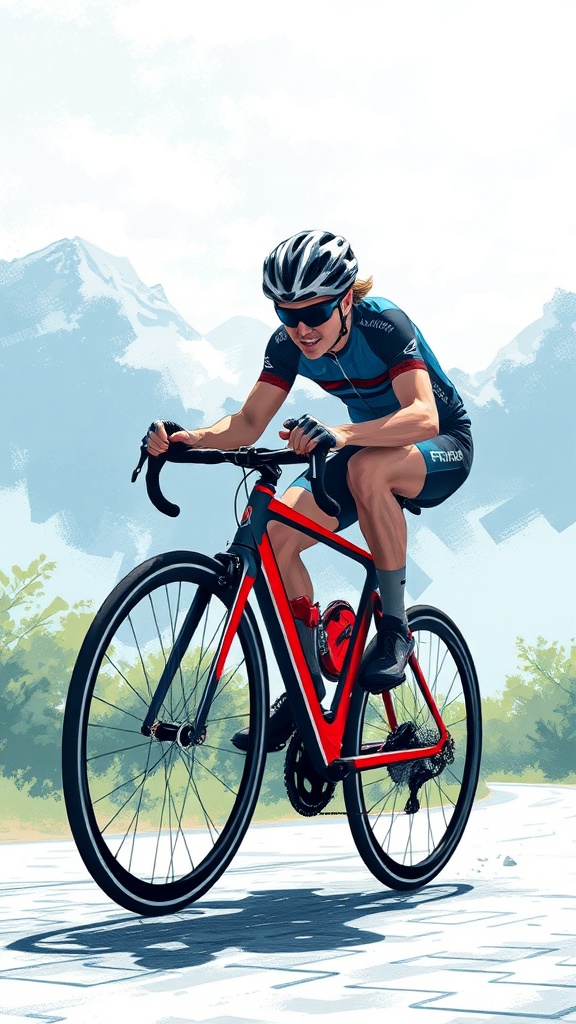
Because e-bikes carry more weight and speed, brakes will wear faster—inspect pads and rotors more often.
– Drivetrain and bolts: Keep the chain clean and lubricated; e-bike torque can accelerate wear on gears and chainrings.
Regularly check bolts and fastening points, especially on racks and panniers.
Safety and etiquette
Wear a properly fitted helmet and use bright, reflective clothing or additional lights for visibility. Anticipate faster closing speeds when sharing paths with traditional cyclists and pedestrians; signal intentions, yield appropriately, and keep to the right unless passing.
Respect local rules for speed and lane use—being predictable keeps everyone safer.
Security and storage
High-quality locks and secure parking reduce theft risk.
Consider removable batteries for indoor charging and storage, and use well-lit, monitored bike parking when possible.
For high-value models, look into specialized bike insurance or homeowner policy endorsements.
Getting started
Take a test ride, try different assist modes, and plan a trial commute to evaluate comfort and range under real conditions. For many riders, e-bikes quickly shift daily habits—turning car trips into pleasant rides and making cycling a reliable, efficient choice for more errands and commutes.