Gut-Friendly Eating: Practical Ways to Boost Fiber, Balance Microbes, and Feel Better
Gut health is central to overall nutrition. A balanced gut microbiome helps with digestion, appetite regulation, immune function, and steady energy. Small, practical shifts to your daily meals can create a more resilient gut ecosystem without extreme diets or expensive products.
What to build your plate around
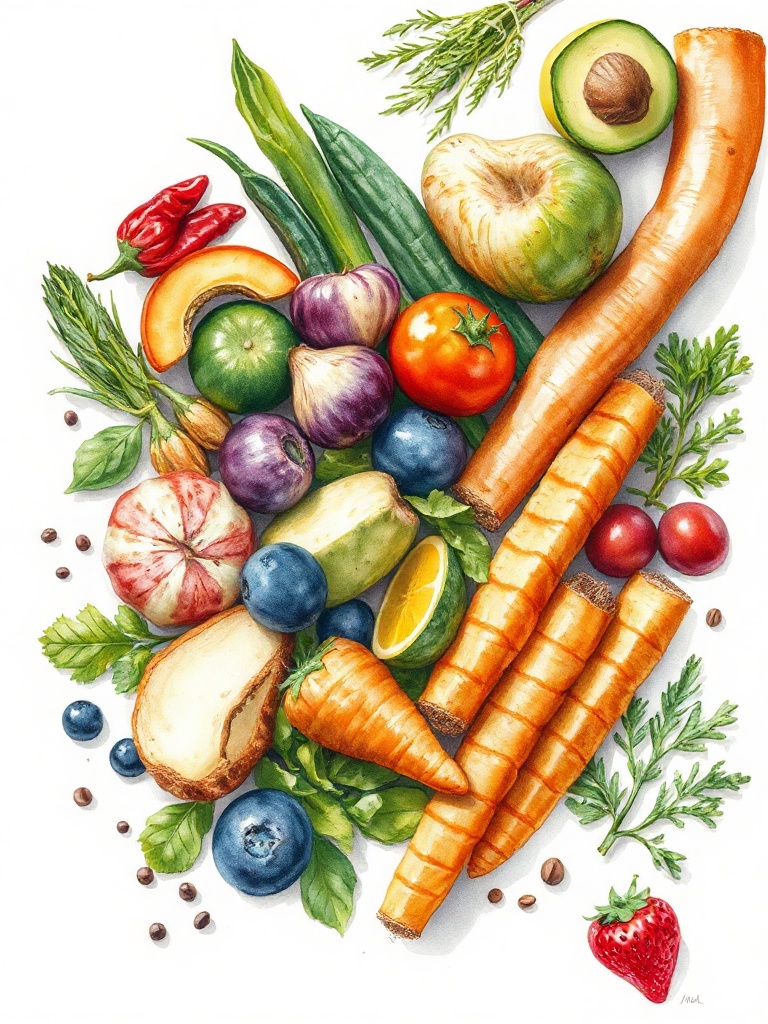
– Variety of fiber-rich plants: Aim for a mix of vegetables, fruits, whole grains, legumes, nuts, and seeds. Different plants feed different beneficial microbes, so variety matters more than a single “superfood.”
– Protein and healthy fats: Include lean proteins and monounsaturated or polyunsaturated fats to support satiety and nutrient absorption. Think grilled fish, beans, tofu, olive oil, and avocado.
– Minimize ultra-processed foods: Highly processed items often displace whole foods and can be low in fiber while high in added sugars and unhealthy fats.
Fiber: the foundation of a healthy gut
There are two main types of fiber—soluble and insoluble—and both play roles:
– Soluble fiber (oats, apples, beans) helps form a gel in the gut, slowing digestion and supporting steady blood sugar.
– Insoluble fiber (whole wheat, vegetables, seeds) adds bulk and helps regularity.
Prebiotics vs. probiotics
– Prebiotics are non-digestible fibers that feed beneficial bacteria. Good sources include garlic, onions, leeks, asparagus, chicory, bananas, oats, and cooled starchy foods like potatoes and rice (resistant starch).
– Probiotics are live microorganisms found in fermented foods such as yogurt, kefir, sauerkraut, kimchi, miso, and some cheeses. Regularly including a variety of fermented foods can help maintain microbial diversity.
Practical swaps and habits that stick
– Start breakfasts with whole-grain oats, berries, and a spoonful of seeds instead of sugary cereals.
– Swap white rice or pasta for brown rice, quinoa, or whole-grain pasta several times a week.
– Add legumes—lentils, chickpeas, black beans—to salads, soups, and bowls for fiber and plant protein.
– Snack on fruit, nuts, or plain yogurt with fruit rather than packaged snacks.
– Cook large batches of beans and whole grains to make it effortless to assemble nutritious meals on busy days.
– Let cooked rice or potatoes cool before refrigerating to increase resistant starch content.
Managing transition symptoms
Increasing fiber too quickly can cause bloating and gas.
Increase intake gradually over a few weeks and drink adequate water to help fiber move through the digestive tract.
If digestive discomfort persists, consider tracking high-FODMAP foods (onions, garlic, certain fruits, and wheat) and consult a healthcare professional for personalized guidance.
When to consider supplements
Most people can meet needs through food, but supplements can be useful in specific situations—after antibiotics, during travel, or when dietary restrictions limit variety. Choose multi-strain probiotic products from reputable manufacturers and look for prebiotic fiber supplements if whole-food options aren’t feasible. Discuss with a clinician before starting supplements, especially when managing health conditions or taking medications.
Everyday priority: diversity and consistency
Feeding your microbiome is less about single “miracle” foods and more about consistent, varied choices. Small, sustainable changes—more plants, more whole foods, and regular fermented items—tend to produce the most lasting benefits for digestion, energy, and overall wellbeing.