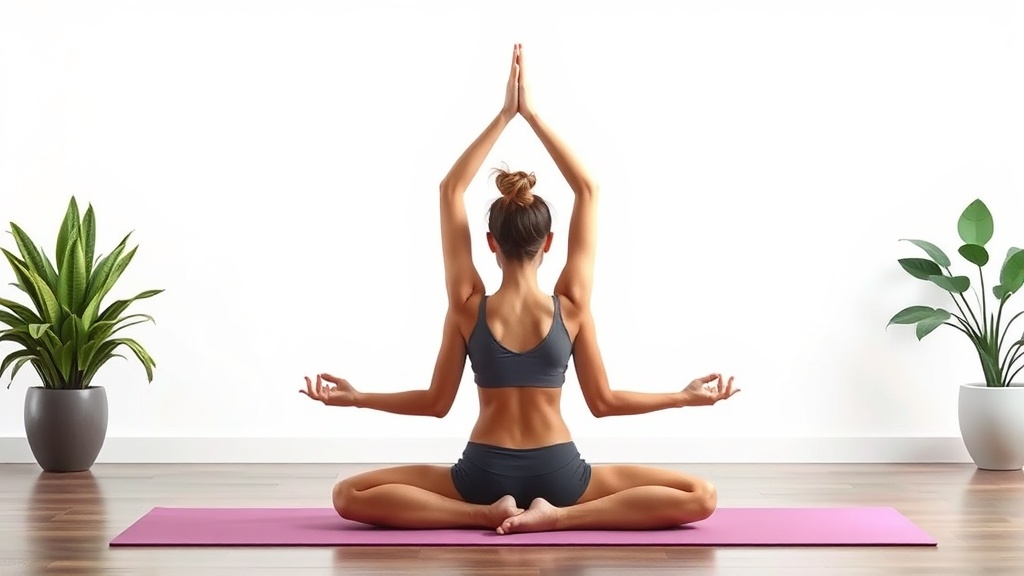
Most people spend long stretches seated, which creates rounded shoulders, tight hips, and foggy focus. Desk-friendly yoga is designed to be short, safe, and effective—helping posture, reducing pain, and boosting mental clarity without changing outfits or leaving the workspace.
Why desk yoga works
– Targets areas most affected by sitting: neck, upper back, hips, and hamstrings.
– Combines gentle mobility with breathwork to reduce stress hormones and improve concentration.
– Requires minimal space and no special equipment beyond a stable chair.
Quick principles before you start
– Move slowly and mindfully; avoid forcing any stretch.
– Breathe smoothly—inhale to prepare, exhale to deepen a movement.
– Keep the spine supported by engaging the core and lengthening from the tailbone to the crown.
– If you feel sharp pain, ease back or skip that move.
5-minute desk routine (use at your desk)
1. Seated deep breathing (30–60 seconds): Sit upright, hands on thighs, inhale slowly through the nose, expand the ribs, exhale fully. Repeat to reset the nervous system.
2. Neck releases (6–8 breaths each side): Drop right ear toward right shoulder, breathe into the left side of the neck; repeat left.
3.
Seated cat–cow (6–8 rounds): Place hands on knees or thighs; inhale, arch the spine and lift the chest; exhale, round the spine and tuck the chin.
4. Seated twist (3–5 breaths per side): Rotate gently from the center of the torso, using hands on the chair back for support.
5. Wrist and finger stretch (30 seconds): Interlace fingers and rotate wrists; extend fingers and flex wrists to counter typing strain.
10-minute standing break (use in a hallway or open space)
1. Standing breath and grounding (1 minute): Stand with feet hip-width, microbend knees, feel base of feet on the floor, breathe into the torso.
2. Forward fold with soft knees (6–8 breaths): Hinge from hips, let head and neck relax; hold opposite elbows and sway gently.
3. Low lunge with chest lift (each side, 4–6 breaths): Step one foot forward, lower the back knee, lift through the chest and breath into the hip flexor.
4. Standing quad stretch (each side, 3–5 breaths): Bend knee, grab ankle behind, lift pelvis slightly to feel the front thigh lengthen.
5.
Shoulder opener against wall or desk (30–60 seconds): Place forearms on wall/desk, tuck tail slightly, breathe into the chest.
Micro-practices to weave into the day
– 60-second posture checks: every hour, align ears over shoulders and shoulders over hips.
– 3-breath resets before meetings: inhale clarity, exhale tension.
– Leg swings or calf raises while on a call that doesn’t require video.
Props and modifications
– Use a rolled towel or small cushion behind the lower back for lumbar support.
– A strap or scarf helps with hamstring stretches if reaching the feet is difficult.
– If mobility is limited, prioritize breath and micro-movements over deep stretching.
Consistency tips that stick
– Link practice to an existing habit (e.g., after the morning coffee or before lunch).
– Aim for short, frequent sessions rather than one long practice.
– Keep cues visible: a sticky note with “breathe” or a reminder on the phone can prompt movement.
Safety and when to seek help
If you have recent injuries, chronic pain, or medical conditions, consult a healthcare professional before adopting new movement routines.
Persistent pain that worsens with movement should be evaluated.
Desk yoga is a small investment with high returns: improved posture, less tension, and sharper focus. Try one short routine now, then build micro-habits that keep you moving and feeling better throughout the workday.