Yoga keeps evolving while staying rooted in simple, accessible principles: breath, alignment, and mindful movement. Whether you step onto a mat at home, squeeze in a few poses between emails, or join a hybrid class that mixes studio energy with online convenience, yoga delivers tools for stress reduction, improved mobility, and sharper mental focus.
Why yoga works
– Stress relief and mental clarity: Coordinated breath and movement activate the parasympathetic nervous system, helping lower cortisol and settle the mind.
– Mobility and posture: Regular practice loosens tight hips, strengthens the core and back, and counters the effects of prolonged sitting.
– Functional strength: Bodyweight poses build balanced strength that translates to daily activities and reduces injury risk.
– Mind-body resilience: Attention to sensations cultivates resilience, improved sleep, and better emotion regulation.
Quick breathwork to start
Before movement, try a simple breath technique to center attention: inhale slowly through the nose for a comfortable count, pause if it feels natural, then exhale fully through the nose or mouth.
Repeat for 6–10 breaths. This reduces reactivity and prepares the nervous system for practice.
A 10-minute daily sequence for busy schedules
This compact flow fits into breaks, morning routines, or desk-side resets. Move mindfully with breath—inhale to expand, exhale to soften.
1.
Seated breath and neck release (1 minute)
– Sit tall, shoulders relaxed. On each exhale, drop the chin slightly and slowly roll the neck side to side.
2.
Cat-Cow (1 minute)
– On hands and knees, inhale to arch the back and lift the gaze, exhale to round the spine. Coordinate movement with breath for spine mobility.
3. Downward-Facing Dog (1 minute)
– From all fours, tuck toes and lift hips. Pedal the heels to lengthen calves and hamstrings. Bend knees if needed.
4. Low Lunge with pelvic tilt (1.5 minutes each side)
– Step one foot forward, lower the back knee for a gentle hip opener. On each inhale, draw the pelvis neutral; on exhale, sink slightly into the stretch.
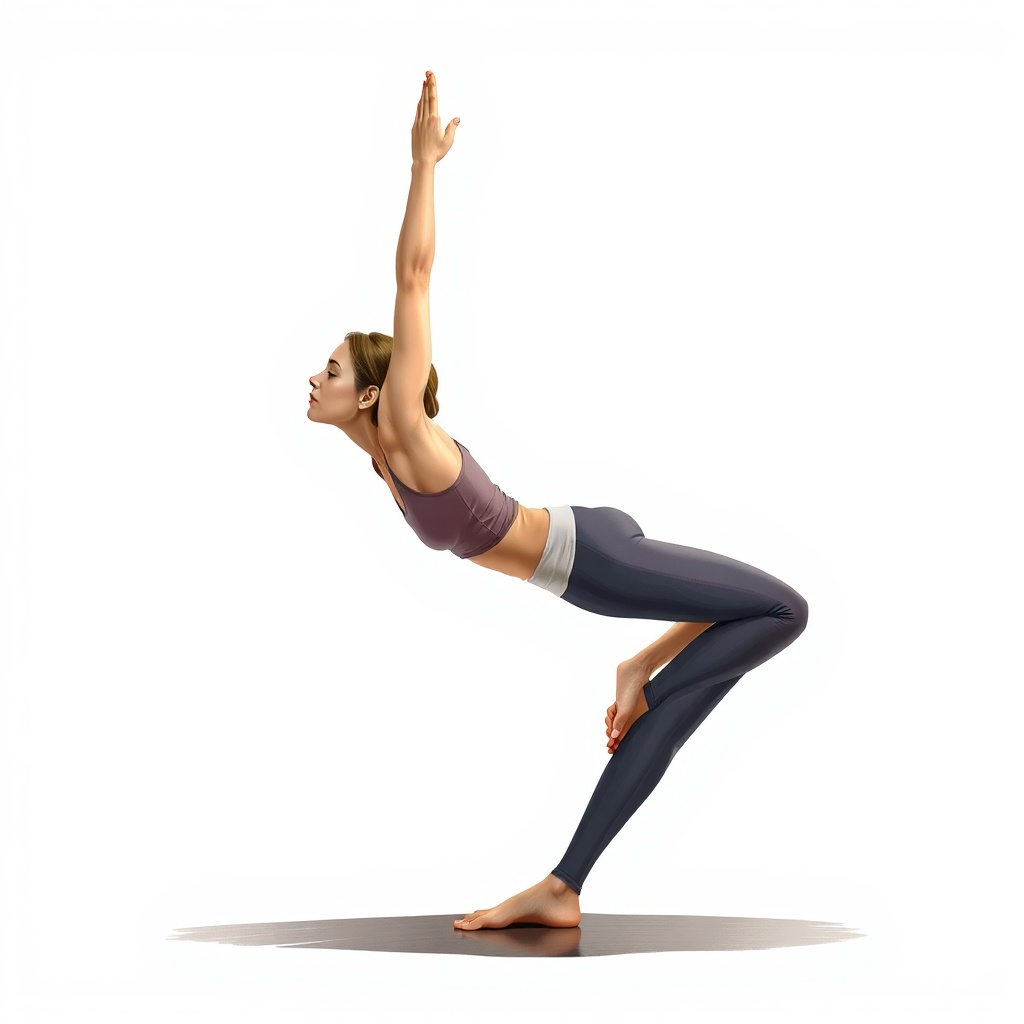
5. Chair Pose (1 minute)
– Stand, bend knees, and reach arms up. Engage core and sit back as if on a chair—great for building lower body strength and improving alignment.
6.
Forward Fold to Half Lift (1 minute)
– Hinge from hips to fold, bend knees as necessary. Inhale to lengthen the spine, exhale to fold deeper.
7. Supine twist + Savasana (2 minutes)
– Lie on your back, bring knees into the chest and drop them to each side for a gentle spinal twist. Finish with one minute lying quiet, focusing on breath.
Modifications and props
– Use a chair for standing balance poses or to make lunges gentler.
– Place a folded blanket under knees during floor work.
– A block under hands in forward folds or seated poses helps maintain alignment without strain.
Safety and progression
Always move within a comfortable range; sharp pain is a signal to stop. For longstanding pain, recent injuries, or specific medical concerns, consult a qualified healthcare provider or a certified yoga teacher who can tailor modifications. Progress comes from consistent short practices rather than occasional long sessions.
Making it stick
Set a specific time—morning, lunch, or evening—and start with five to ten minutes.
Track small wins: increased ease in a pose, quieter mind after breathwork, or better posture at the end of the workday.
Join a class or community to stay motivated and refine technique.
Try this approach consistently and you’ll notice improved mobility, clearer focus, and a calmer baseline—benefits that ripple into work, relationships, and overall wellbeing.